Ancient Nutra Wellness Team · 16 July 2026 · 6 min read
5 herbs that cool the body when it's 35 degrees out
- Iramusu (Sarsaparilla) is the Sri Lankan root with the longest track record for cooling the body in hot weather, taken daily as a standardized capsule.
- Fluids matter more than any single herb: even mild dehydration in heat can affect mood and focus, according to Mayo Clinic.
- Add one cooling habit at a time, starting with king coconut water or hibiscus tea, before layering in a daily herb like Iramusu, Beli, or Gotukola.
By April, Colombo afternoons regularly cross 35°C, and a short walk to the shop is enough to end a shirt for the day. Sri Lankan households have never treated this as new information. Long before air conditioning, they cooled the body from the inside using specific roots, fruits, and drinks meant for exactly this kind of heat.
This list keeps to five that have stood up over time and have a real mechanism behind them, not just a folk reputation. Each one gets a plain answer: what it does, how to use it, and who should reach for it first.
1. Iramusu, the root Sri Lankan households reach for first
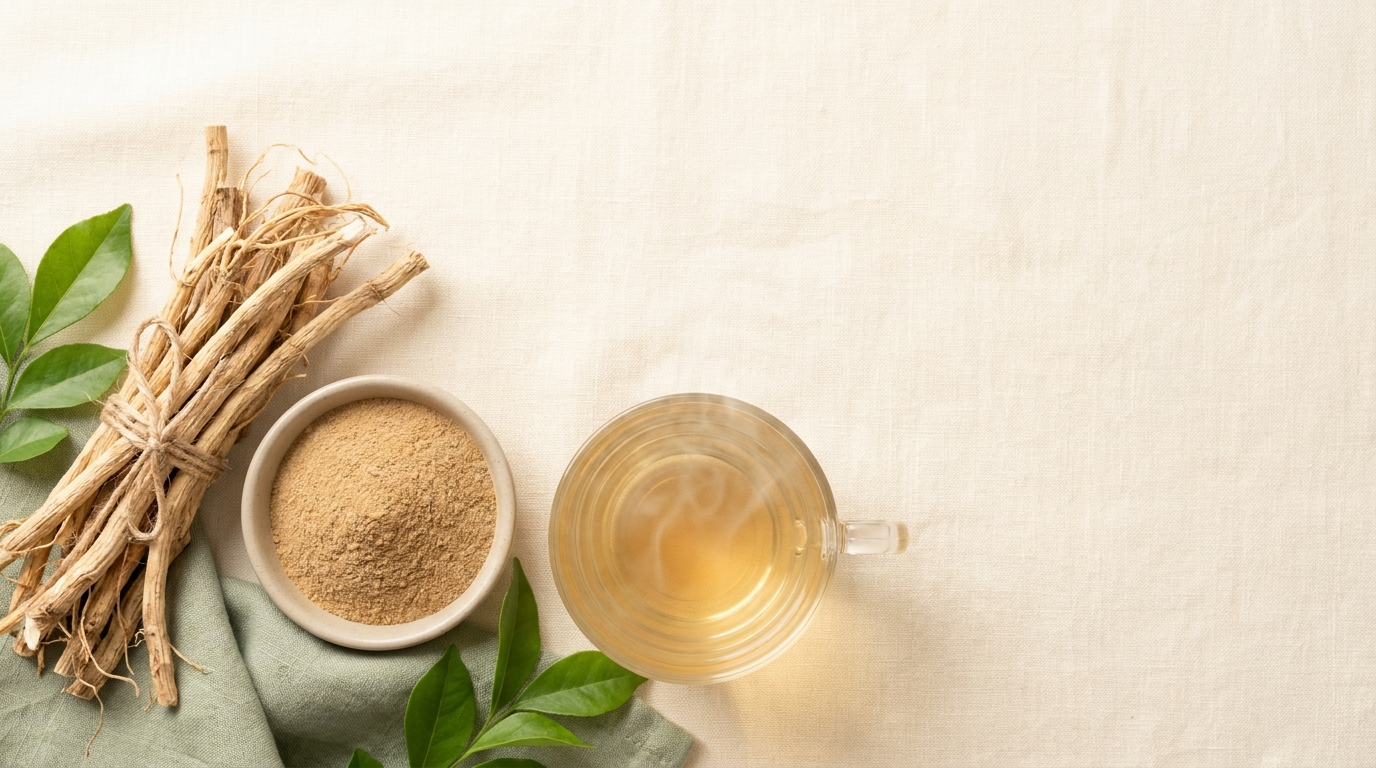
Iramusu, also called Sarsaparilla (Hemidesmus indicus), is a thin, fragrant root Sri Lankan households have steeped into a pale, cooling tea for generations. It works mainly as a mild natural diuretic: it encourages the body to release excess fluid and heat through the kidneys, rather than through sweat alone, which is part of why it has a reputation for calming skin heat and irritation during the hot months.
People who spend long hours outdoors, or who notice skin flare-ups every summer, tend to feel the difference first. A common approach is one to two capsules of a standardized root extract daily, taken with water.
A standardized Iramusu (Hemidesmus indicus) root extract, one to two capsules a day with water, ideally in the morning. Ancient Nutra's Iramusu (Sarsaparilla) Capsules are dosed this way.
2. King coconut water, the fastest fix on a 35 degree day
Nothing cools a Sri Lankan afternoon faster than a chilled king coconut straight off the cart. The water inside is naturally low in sugar, high in potassium, and close enough in electrolyte balance to a sports drink that a trial in the Journal of the International Society of Sports Nutrition found it rehydrated exercisers about as well as a standard sports drink.
It will not lower the body's core temperature on its own, but it replaces what heat and sweat take out faster than plain water does. Reach for it after time outdoors, not instead of water through the rest of the day.
3. Beli, the digestive cooler most people skip
Beli, also called Bael (Aegle marmelos), is better known in Sri Lanka for gut health than for cooling, but the two are connected. Heat slows digestion for a lot of people, and a sluggish gut in hot weather often shows up as heaviness, bloating, or a general sense of running warm from the inside.
Beli fruit has traditionally been dried and steeped into a cooling drink for exactly this reason, and it is gentle enough for daily use rather than an occasional remedy. Ancient Nutra's Beli Capsules are a simpler way to take it than sourcing and drying the fruit at home.
4. Gotukola, the everyday cooling green
Fresh gotukola (Centella asiatica) leaves are blended into a pale green porridge called kola kanda across Sri Lanka, traditionally served cool rather than hot, on exactly the kind of afternoon this list is written for.
Beyond the ritual, gotukola is one of the more studied Sri Lankan herbs for calm, steady energy rather than a jittery lift, which matters when heat already leaves people short on patience. It pairs well with a light lunch instead of a heavy one. Ancient Nutra's Gotukola Capsules are a standardized way to take it on days when making kola kanda from scratch is not realistic.
5. Hibiscus, the tea that pulls double duty
Hibiscus tea is tart, deep red, and traditionally served cold across the tropics for a reason: it is refreshing in a way plain water is not. There is decent clinical evidence behind it too. A trial published in The Journal of Nutrition found that adults who drank hibiscus tea daily saw a modest drop in blood pressure compared with a placebo drink, which matters because heat itself already puts extra strain on circulation.
Brew it, chill it, and keep a jug in the fridge instead of reaching for iced coffee at 3 PM. Ancient Nutra's Hibiscus Flower Tea is caffeine-free, so it will not undo the cooling effect the way a hot, caffeinated drink can.
How to actually use this list
Do not start all five at once, especially not on the day it hits 35°C. Pick one and give it a week before judging whether it is doing anything.
For most people, the easiest entry points are the two already in the kitchen: king coconut water after time outdoors, and a cold jug of hibiscus tea instead of an afternoon coffee. Iramusu and Beli are better suited to a steady daily capsule, taken with the same glass of water each morning so it becomes automatic. Gotukola fits best with lunch, since traditional kola kanda was always a midday food.
Treat this list as a buffet to build a routine from, not a shopping list to clear in one visit.
The bottom line
If 35°C weather is a regular part of your year, the two habits worth building first are simple: drink real fluids before you feel thirsty, and add one steady daily herb rather than five at once. Iramusu leads this list because it has the longest track record in Sri Lankan households specifically for heat.
Hibiscus tea is the easiest afternoon swap, and Beli and Gotukola are worth adding once the first two habits stick. None of this replaces shade, rest, and enough plain water during the hottest hours. Herbs support the foundation. They do not replace it.

Sarsaparilla (Iramusu) - 60 capsules
A standardized daily root extract for gentle, natural cooling support.
Shop IramusuSources and further reading
- Dehydration: symptoms and causes, Mayo Clinic.
- McKay et al., hibiscus tea and blood pressure in adults, The Journal of Nutrition, via PubMed.
- Kalman et al., coconut water and hydration after exercise, Journal of the International Society of Sports Nutrition.
Written by the Ancient Nutra Wellness Team. The team researches, sources, and tests every ingredient before it earns a place in an Ancient Nutra blend. Questions? Email info@ancientnutra.com or message Ancient Nutra on Instagram.
Medical disclaimer: This article is for educational purposes only and is not medical advice. Statements have not been evaluated by the FDA. Ancient Nutra products are not intended to diagnose, treat, cure, or prevent any disease. Speak with a qualified healthcare provider before starting any new supplement, especially if you take prescription medication or have a medical condition.