Ancient Nutra Wellness Team · 10 August 2026 · 6 min read
What a Lab Test Proves About a Herb, and What It Cannot
- A laboratory certificate answers three separate questions: is this the right species, is the declared compound present at the declared amount, and are contaminants under a chosen limit.
- None of those three answers is evidence that the herb works, and a certificate describes the batch it was drawn from rather than the product line.
- Species is the question worth asking first. In a 2025 European Commission study of 104 commercial cinnamon samples, 4 of the 44 labelled Ceylon cinnamon were partly or wholly cassia.
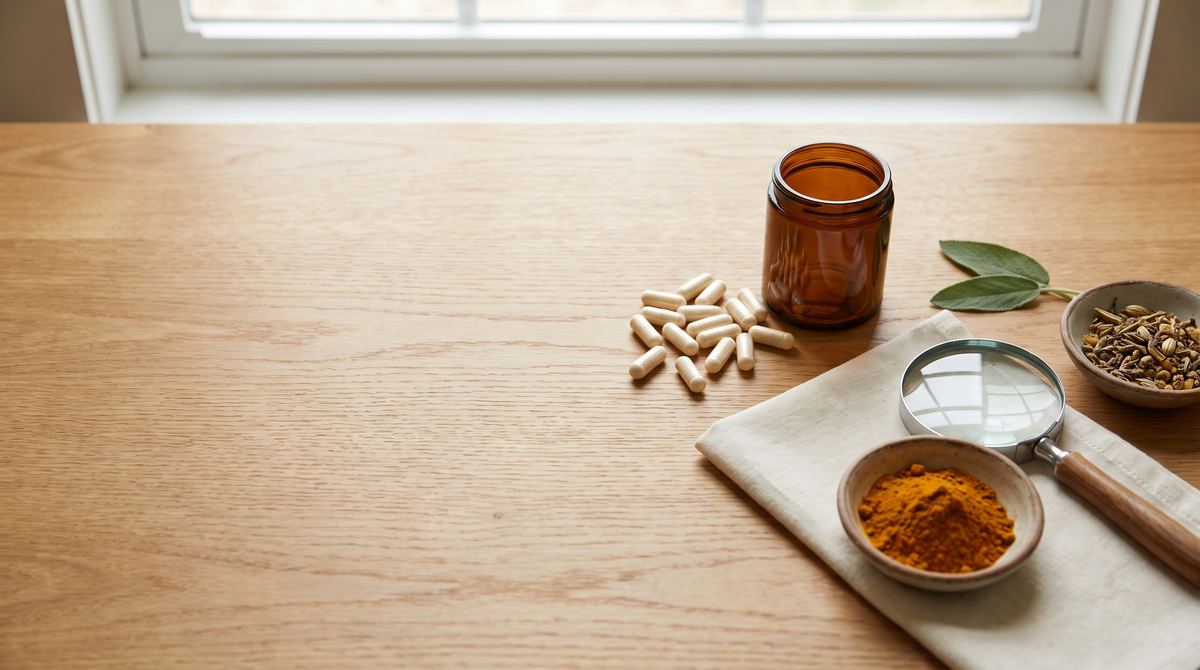
A certificate of analysis looks like the end of an argument. It carries numbers, a laboratory letterhead, and a date, so it tends to close questions down rather than open them up. It is a genuinely useful document. It is also much narrower than most people assume. A test result answers the precise question the test was designed to ask and nothing beyond it, which means reading one well is mostly a matter of knowing which question was asked. Three standard tests sit behind almost every herbal batch. Here is what each one proves, and what none of them can.
Start with the three questions a laboratory can answer
Identity testing asks what the material is. It compares the sample against a reference for the declared botanical species, using DNA, microscopy, or a chemical fingerprint depending on how processed the material is.
Potency or assay testing asks how much of a named compound is present, and compares that number against what the label declares.
Contaminant testing asks whether unwanted things sit below a stated limit: heavy metals, microbes, mycotoxins, pesticide residues. Each of those has its own method and its own threshold, and a panel only covers the specific contaminants it was asked to look for.
Three questions, three answers. A single document reporting all three still reports three separate findings, not one verdict on quality.
Check the species before anything else
Identity is the test that matters most, because every other number on the sheet describes whatever material was actually in the jar. A 2019 review in Frontiers in Pharmacology pooled DNA authentication results for 5,957 commercial herbal products across 37 countries and found 27 percent did not match the species on the label.
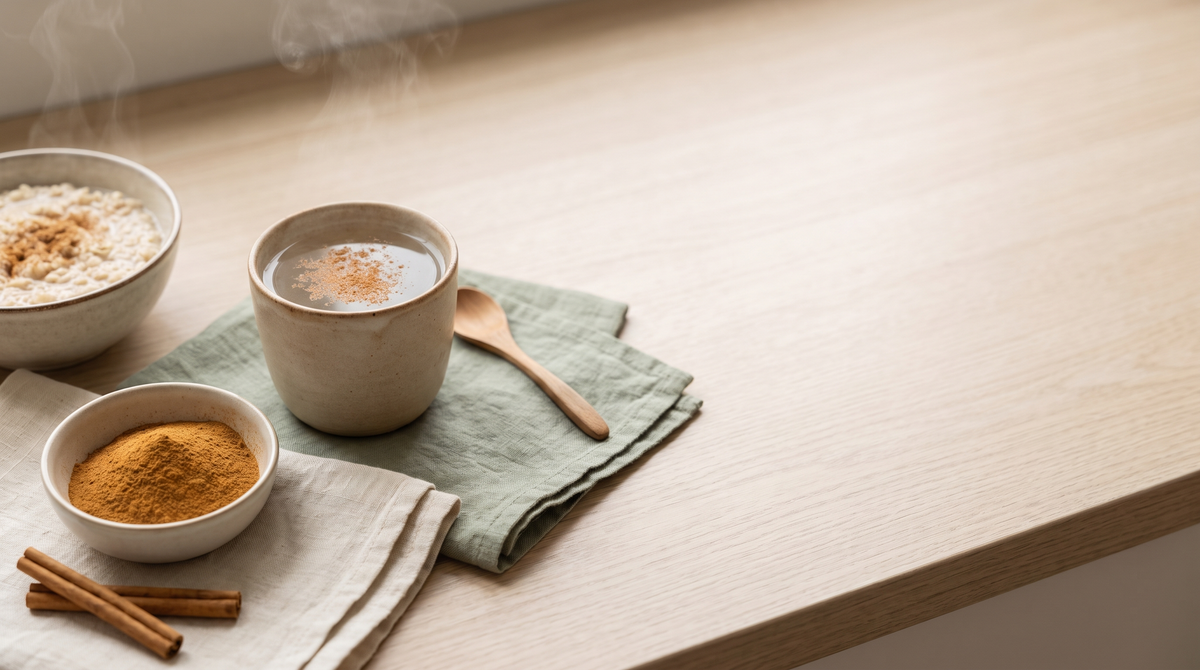
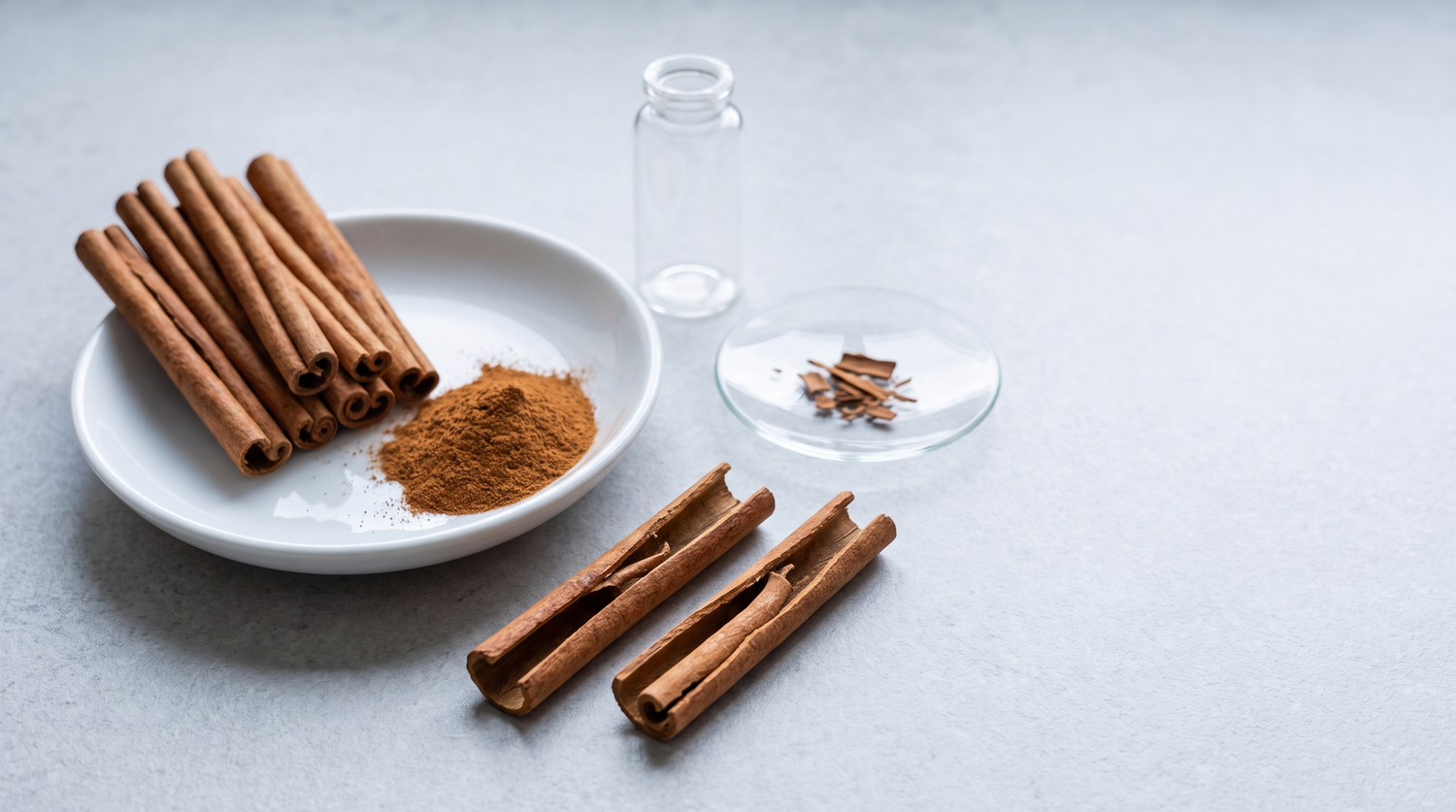
Cinnamon is a clean illustration, because two very different barks share one common name. True cinnamon is Cinnamomum verum J.Presl, the inner bark of a tree native to Sri Lanka. Cassia is a separate species, Cinnamomum cassia, along with related barks from Indonesia and Vietnam. In 2025 the European Commission's Joint Research Centre tested 104 commercial cinnamon samples and reported that only 33.7 percent were free of any suspicion of fraud, quality issue, or safety concern. Of the 44 samples labelled as Ceylon cinnamon, 4 had been substituted wholly or partly with cassia.
That is an authenticity finding, not a scare story, and it is exactly the gap identity testing exists to close. Ancient Nutra covers the difference between the two barks in more detail in Ceylon cinnamon versus cassia.
One honest limitation belongs here too. DNA methods work well on whole and cut material, and much less well on heavily processed extracts where the DNA is degraded. A negative DNA result on an extract is not proof the herb is absent. The method has to suit the product form, which is why no single identity test covers everything.
Read a potency number as a count, not a promise
A potency assay measures a marker compound and confirms it is present at the declared level. The United States Pharmacopeia describes its own verification mark in those terms: the product contains what the label lists, in the declared potency and amounts, without harmful levels of specified contaminants, and it breaks down and releases within a set time.
Notice what is not in that list. USP states plainly that its verification program does not comprehensively address the efficacy of a dietary supplement. A marker compound is chosen because it can be measured reliably and consistently, which is not the same as it being the compound responsible for any effect. For most botanicals, the constituents responsible for the traditional effect are not fully established, so a potency figure is a consistency check between batches rather than a strength rating.
Ask which limit the contaminant result was measured against
"Passed microbial testing" means nothing until you know which specification was applied. The European Pharmacopoeia sets different acceptance criteria by product type. Herbal material intended for infusions made with boiling water may carry a total aerobic microbial count up to 107 colony forming units per gram. Products containing extracts, where processing is expected to reduce organisms, are held to 104 per gram, with E. coli required to be absent in 1 gram. Same organism, same laboratory, limits three orders of magnitude apart.
Heavy metals are the contaminant with the longest paper trail in this category. The landmark study is Saper and colleagues in JAMA in 2008, which analysed 193 Ayurvedic medicines bought online and found 20.7 percent contained detectable lead, mercury, or arsenic. The detail worth carrying forward is the comparison the authors drew: products made in the United States tested at 21.7 percent and products made in India at 19.5 percent, a difference that was not statistically significant. That study describes a 2005 market rather than today's, and it predates modern manufacturing rules. Its lasting lesson is simply that country of origin does not predict contamination. Testing does.
Look for
A botanical name, not just a common name. On a cinnamon product that means Cinnamomum verum stated somewhere on the label or the product page, since "cinnamon" alone covers several different barks. Ancient Nutra's Ceylon Cinnamon is made from Ceylon cinnamon bark, the low coumarin type.
Know what the certificate leaves out
Three limits apply to every test document, no matter how thorough it looks.
It describes one batch. Under United States manufacturing rules for supplements, a manufacturer may verify that finished batches meet product specifications by testing a subset of batches identified through a sound statistical sampling plan rather than every batch. A result belongs to the batch it was drawn from.
It is not automatically the manufacturer's own work. The same rules require a manufacturer to run its own identity test on every incoming lot of a dietary ingredient, and permit reliance on a supplier's certificate only for other components, and only after that supplier has been independently qualified. A certificate presented on its own is a claim until you know who ran it.
It says nothing about whether the herb helps. That question belongs to clinical trials, not to a laboratory bench. For the related job of decoding what a label claims, see how to read a herbal extract label.
When to check with a professional
Cinnamon carries a documented, uncommon liver signal, and it is worth stating plainly. The NIH LiverTox database rates cinnamon as a possible rare cause of clinically apparent liver injury, based on a small number of published case reports. The mechanism is not established, though LiverTox notes it may relate to coumarin, a compound found at high levels in cassia and at minimal levels in Ceylon cinnamon. The European Food Safety Authority set a tolerable daily intake for coumarin of 0.1 mg per kilogram of body weight per day, and the 2025 European Commission survey measured a median of 269 mg per kg in cassia samples against 3.49 mg per kg in Ceylon samples.
Stop taking any cinnamon supplement and seek medical advice the same day if you notice yellowing of the skin or eyes, dark urine, persistent nausea, pain under the right ribs, or unusual tiredness. Human trials of cinnamon supplementation have run for 8 to 13 weeks, and there is no long term daily safety data beyond that, so treat 12 weeks as a checkpoint for a conversation with a healthcare professional rather than a number to keep going past. The European Medicines Agency does not recommend cinnamon bark preparations for anyone under 18, or during pregnancy and breastfeeding, and lists hypersensitivity to cinnamon or Peru balsam as a contraindication.
The bottom line
A laboratory certificate is a set of narrow, specific answers, and it is worth reading as such rather than as a seal of approval.
- Identity tells you the species, which is the number one thing to confirm on any herb with a shared common name.
- Potency tells you a marker compound is present at the declared amount, not that the product will work.
- Contaminant results only mean something alongside the limit they were measured against, and they describe one batch.
For cinnamon specifically, the species line settles most of the question before any other number matters.

Ceylon Cinnamon, 60 capsules
True Ceylon cinnamon bark, Cinnamomum verum, the low coumarin type.
Shop Ceylon CinnamonSources and further reading
- Ghidotti M, et al. High rate of safety and fraud issues in commercially available cinnamon. npj Science of Food, 2025, European Commission Joint Research Centre. Retrieved 10 August 2026.
- Ichim MC. The DNA-based authentication of commercial herbal products reveals their globally widespread adulteration. Frontiers in Pharmacology, 2019, PMC6822544. Retrieved 10 August 2026.
- Saper RB, et al. Lead, mercury, and arsenic in US and Indian manufactured Ayurvedic medicines sold via the internet. JAMA, 2008, PubMed 18728265. Retrieved 10 August 2026.
- Cinnamon monograph, LiverTox, National Institute of Diabetes and Digestive and Kidney Diseases, updated July 2026. Retrieved 10 August 2026.
- Microbiological quality of herbal medicinal products for oral use, chapter 5.1.8, European Pharmacopoeia. Retrieved 10 August 2026.
- Verification services frequently asked questions, United States Pharmacopeia. Retrieved 10 August 2026.
- Testing of components and finished batches, 21 CFR 111.75, Cornell Legal Information Institute. Retrieved 10 August 2026.
- High daily intakes of cinnamon: health risk cannot be ruled out, assessment 044/2006, German Federal Institute for Risk Assessment. Retrieved 10 August 2026.
- Community herbal monograph on Cinnamomum verum J.S.Presl, cortex, European Medicines Agency. Retrieved 10 August 2026.
Written by the Ancient Nutra Wellness Team. The team researches, sources, and tests every ingredient before it earns a place in an Ancient Nutra blend. Questions? Email info@ancientnutra.com or message Ancient Nutra on Instagram.
Medical disclaimer: This article is for educational purposes only and is not medical advice. Statements have not been evaluated by the FDA. Ancient Nutra products are not intended to diagnose, treat, cure, or prevent any disease. Speak with a qualified healthcare provider before starting any new supplement, especially if you take prescription medication or have a medical condition.