Ancient Nutra Wellness Team · 12 July 2026 · 6 min read
Ceylon Cinnamon vs Cassia: why the label matters for daily use
Key takeaways
- Most cinnamon sold worldwide is Cassia, not true cinnamon. Ceylon cinnamon is a different, milder species (Cinnamomum verum).
- Cassia can hold up to 100 times more coumarin, a compound that stresses the liver at high daily doses. Ceylon stays very low.
- For occasional cooking, Cassia is fine. For a daily blood-sugar or heart routine, Ceylon is the safer form to take every day.
Walk down any spice aisle and almost every jar labelled simply "cinnamon" is Cassia. It is cheaper, darker, and sharper. True Ceylon cinnamon, the kind grown in Sri Lanka for centuries, is a different plant altogether. For a sprinkle on your porridge, the difference barely matters. For a daily capsule you plan to take for months, it matters a lot. Here is the honest version.
The one difference that actually matters: coumarin
Coumarin is a natural compound found in cinnamon bark. In small amounts it is harmless. In large daily amounts it stresses the liver, which is why European food-safety authorities set a tolerable daily intake of about 0.1mg per kilo of body weight (BfR, Germany).
Here is the catch. Cassia can contain up to 100 times more coumarin than Ceylon. A single teaspoon of Cassia can push a 60kg adult near that daily limit. It would take hundreds of teaspoons of Ceylon to do the same. That is the whole argument in one line: same flavour family, very different daily safety.
Why this matters more for a supplement than a dessert
If you use cinnamon once a week in a cake, the type barely registers. But cinnamon is popular precisely because people take it daily for blood sugar and heart support. That daily habit is where the coumarin math turns against Cassia.
The clinical research on cinnamon for blood sugar and cardiovascular markers is mostly done with Ceylon or low-coumarin extracts, not supermarket Cassia. So if you are taking it every day for a reason, Ceylon is both the safer and the better-studied choice.
Look for
"Ceylon cinnamon" or "Cinnamomum verum" on the label, not just "cinnamon." Ancient Nutra's Ceylon Cinnamon is pure Cinnamomum verum bark from Sri Lankan farms, low in coumarin, made for daily use.
How to tell them apart at home
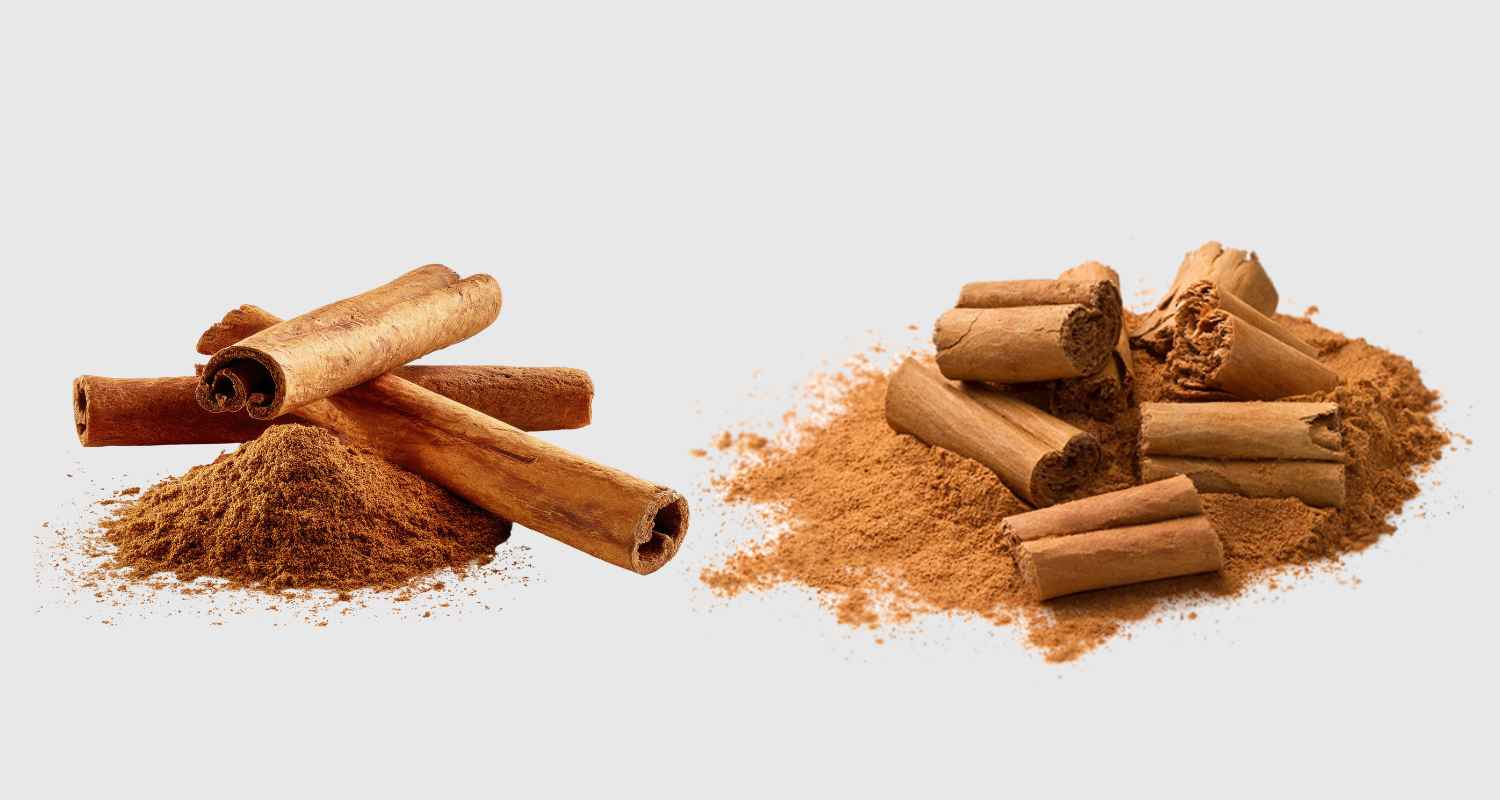
The bark quill is the giveaway. Ceylon rolls into thin, papery layers like a cigar, soft enough to crumble. Cassia is a single thick, hard curl that snaps. Colour helps too: Ceylon is tan and light, Cassia is a darker reddish-brown. In powder form they are harder to separate, which is exactly why the label matters.
What to pair it with
For a daily blood-sugar routine, Ceylon cinnamon works well alongside Gurmar, the Ayurvedic leaf that dulls sweet cravings. Ancient Nutra's Sugar Balance System pairs both in one routine. As always, supplements support a balanced diet and medical care, they do not replace them.
The bottom line
For occasional cooking, buy whatever cinnamon you like. For a daily habit, especially one aimed at blood sugar or heart health, choose Ceylon and check the label reads Cinnamomum verum. The flavour is softer and the daily safety margin is far wider.

Ceylon Cinnamon - 60 capsules
True low-coumarin Ceylon cinnamon for daily blood sugar and heart support.
Shop Ceylon CinnamonSources and further reading
- Cassia cinnamon and coumarin intake, German Federal Institute for Risk Assessment (BfR).
- Side effects of too much cinnamon, Healthline.
Written by the Ancient Nutra Wellness Team. The team researches, sources, and tests every ingredient before it earns a place in an Ancient Nutra blend. Questions? Email info@ancientnutra.com or message Ancient Nutra on Instagram.
Medical disclaimer: This article is for educational purposes only and is not medical advice. Statements have not been evaluated by the FDA. Ancient Nutra products are not intended to diagnose, treat, cure, or prevent any disease. Speak with a qualified healthcare provider before starting any new supplement, especially if you take prescription medication or have a medical condition.