By the Ancient Nutra Wellness Team · Published May 28, 2026 · 6 min read
- Karavila, the Sri Lankan bitter melon, contains charantin, vicine, and polypeptide-p, plant compounds that act on blood sugar in ways that resemble insulin.
- Clinical evidence is mixed but encouraging for prediabetes and early type 2 diabetes. Karavila works best alongside food, sleep, and movement, not in place of them.
- The typical daily dose in studies is 500 to 2,000 mg of standardized bitter melon fruit extract, taken in split doses with meals.
- Ancient Nutra's Karavila Capsule is the same Sri Lankan fruit families have eaten for centuries, in a standardized form for daily use.
There is a reason Sri Lankan grandmothers used to push a bowl of karavila curry across the table at lunch, especially toward the people who needed it most. They did not have HbA1c readings or pancreatic studies. They had a long, careful track record of which bitter foods helped which problems. Karavila, the bitter melon, was the one that quietly went after rising blood sugar.
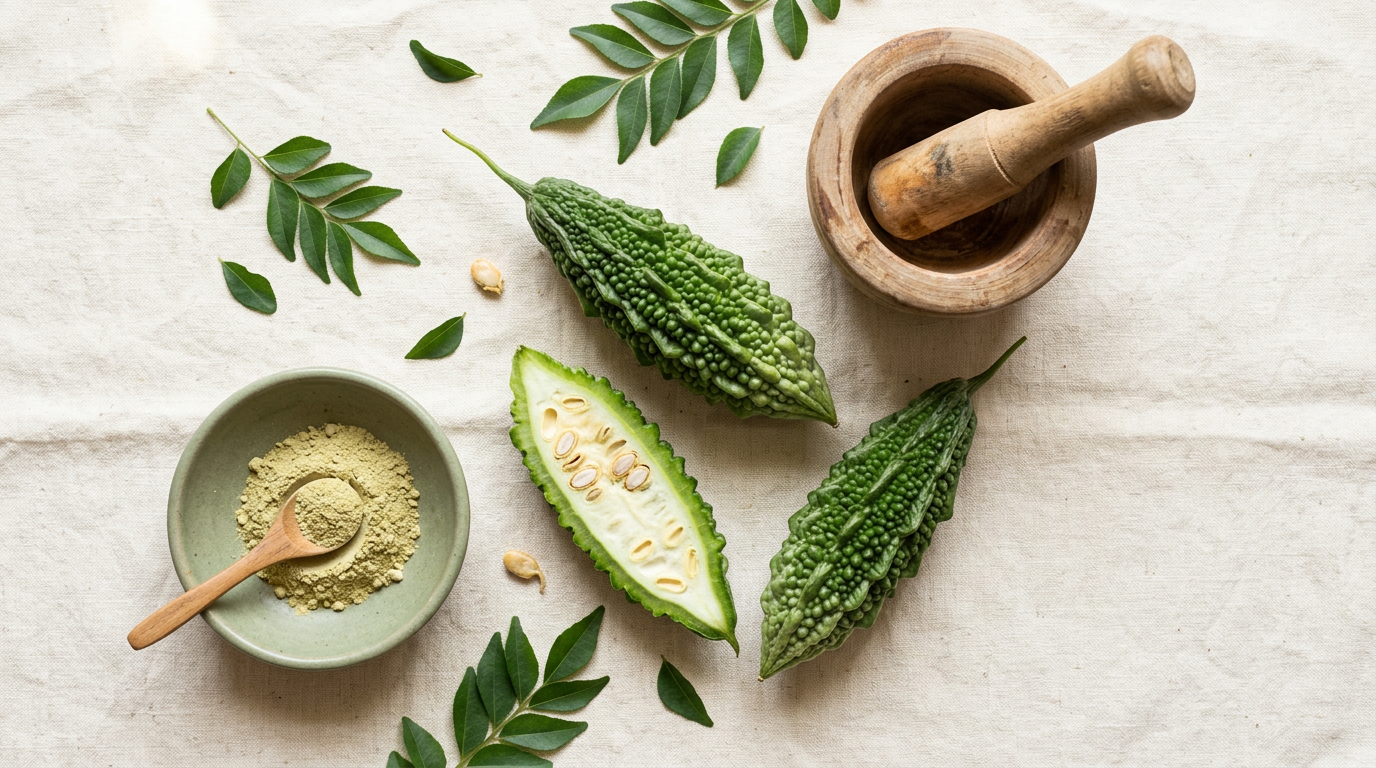
Karavila is the Sri Lankan name for what botanists call Momordica charantia. The plant grows on tropical vines from Kandy to Anuradhapura, and the fruit looks like a knobbly cucumber wearing a warning label. The taste is the warning. That bitterness comes from a small set of compounds that are the reason this fruit has been studied so closely for diabetes.
What Karavila actually does for blood sugar
Three active compounds inside karavila do the heavy lifting: charantin, vicine, and a small protein called polypeptide-p. Each works in a slightly different way, and together they nudge glucose metabolism toward steadier numbers.
Charantin appears to push muscle and fat cells to take up more glucose from the bloodstream, the same job insulin is supposed to do. Vicine helps with insulin sensitivity through a separate pathway. Polypeptide-p is the closest thing nature makes to insulin itself, which is why bitter melon is sometimes called "plant insulin" in older Ayurvedic textbooks.
The modern evidence is more honest than the marketing. A 2014 review in the Journal of Clinical Pharmacology looked at four randomized trials and found bitter melon produced a small but measurable drop in fasting blood glucose compared to placebo. A 2023 prediabetes trial in Korea showed lower post-meal glucose spikes after 12 weeks of bitter melon extract use, with no notable change in liver or kidney markers (NCBI, 2023). Other reviews have been more cautious and concluded the effect is real but smaller than diet and movement.
The honest read: karavila helps. It does not replace what you put on your plate, but it gives a steady support layer for people whose mornings start a little too high.
Who Karavila is for
Karavila is not for everyone, and the most useful thing this article can do is tell you who probably benefits and who probably does not.
- Adults with prediabetes or borderline fasting glucose who want a daily plant support without medication.
- People with early-stage type 2 diabetes who already take metformin and want to layer in a traditional herb, with their doctor's input.
- Anyone with strong family history of diabetes who is paying attention to slow glucose creep in their thirties and forties.
- People who notice 3 PM sugar crashes after carb-heavy lunches and want a steadier afternoon.
- Sri Lankans whose grandmothers cooked karavila and who now want the capsule form for travel and convenience.
Karavila is probably not the right tool if blood sugar is already well-controlled, if pregnancy is on the horizon (bitter melon is not recommended in pregnancy), or if you are on insulin and have not had a conversation with your doctor about adding herbal support.
How to actually take Karavila
The dose range that shows up in clinical work is 500 to 2,000 mg of standardized bitter melon fruit extract per day, taken in two split doses with meals. The reason for splitting is simple: blood sugar swings hardest right after eating, so karavila taken with food works on the problem at the time it shows up.
Most people start at 500 mg twice daily for the first two weeks, then move to 1,000 mg twice daily if they tolerate it well. Take it with the meal, not before. A small glass of water with it is enough.
There is no need to cycle on and off. The fruit is a regular food in Sri Lanka. People eat it twice a week without thinking about it. The capsule form is a higher, more concentrated dose, so listen to the body, and back off if you notice any stomach discomfort in the first week.
Where Karavila comes from
Karavila has grown in Sri Lankan home gardens for as long as anyone can remember, and Ayurvedic texts have mentioned it for at least a thousand years as the bitter food the body uses to "wash" excess sweetness from the blood. The Sinhala word is karavila, the Tamil is paavakkai, and the Indian Ayurvedic name is karela. Every name circles the same idea: this is the plant the kitchen reached for when the body got too sweet.
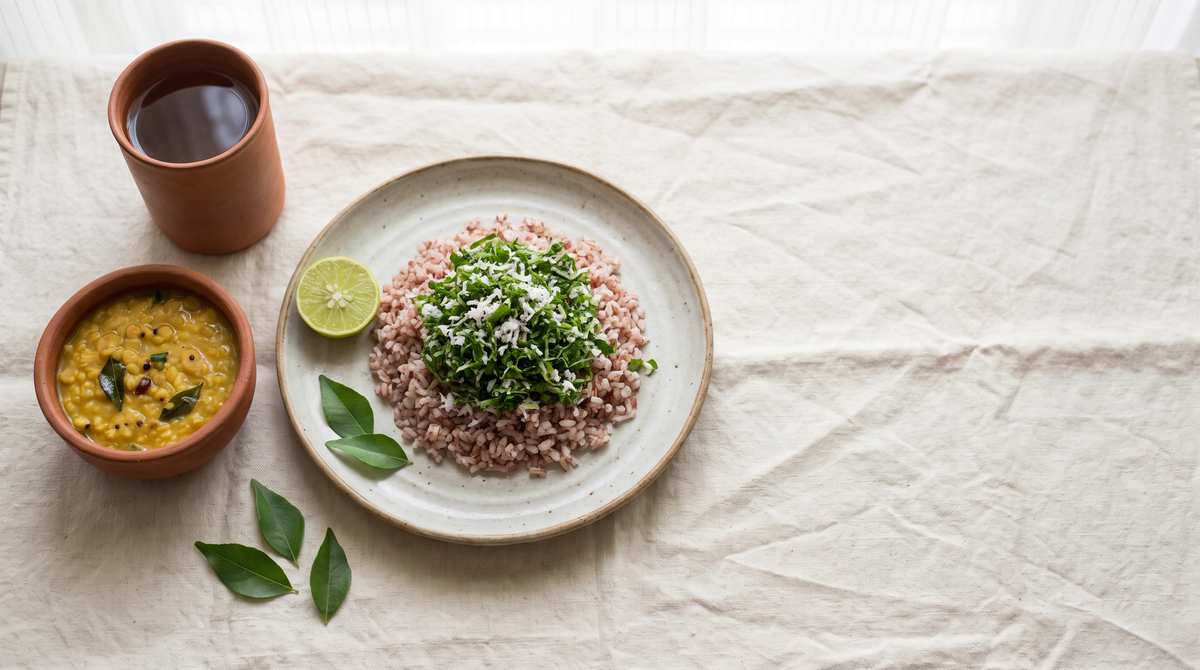
In village kitchens, karavila is sliced thin, salted to draw out some of the bitter, then sautéed with turmeric and Maldive fish for a side dish that goes with rice. The capsule form simply concentrates what generations of Sri Lankan cooks already trusted.
What works alongside Karavila
Karavila is not a solo act. The Ayurvedic and Sri Lankan tradition almost always stacks bitter melon with one or two other plants, and the modern protocol does the same.
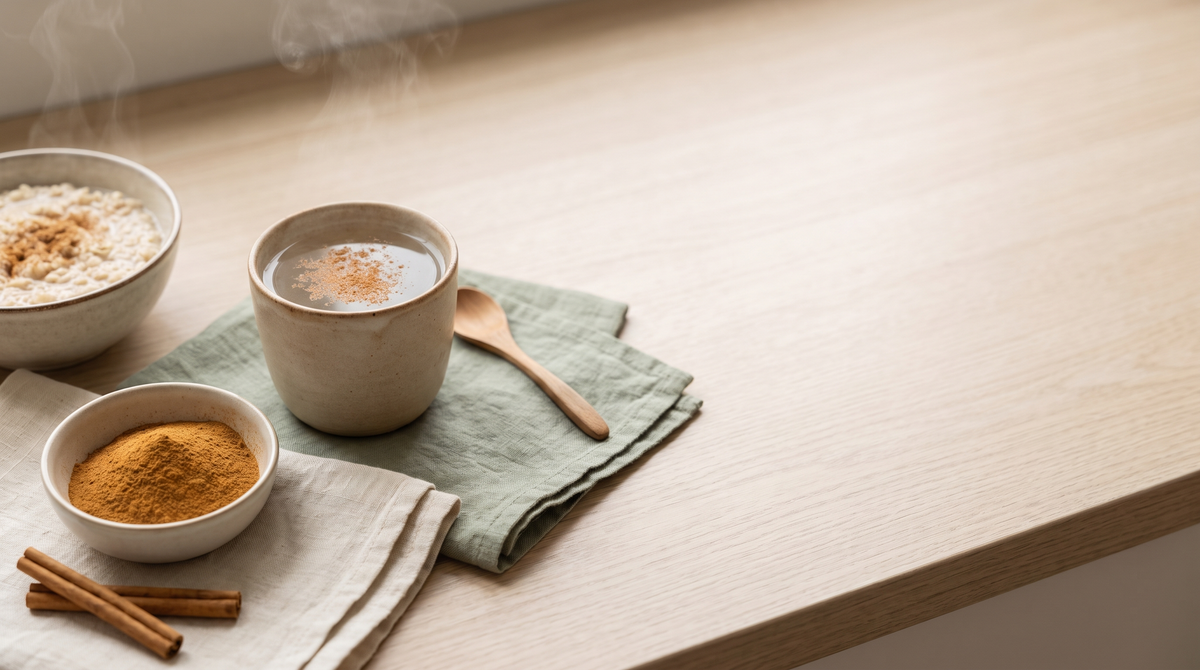
The most useful daily partner is Ancient Nutra's Ceylon Cinnamon, which works on insulin sensitivity through a different mechanism and pairs well with morning coffee or tea. The two together are a small, reliable blood-sugar support stack that takes thirty seconds a day.
For a fuller, structured approach, Ancient Nutra's Sugar Balance System builds a 90-day routine around three plants the team chose for daily blood-sugar work. That is the option for someone who would rather not assemble the stack themselves.
The honest framing here: stacking does not replace what is on the plate. A reasonable lunch and a 20-minute post-meal walk will outwork any capsule, every time. The right herbs help when the foundation is in place.
How long Karavila takes to work
Most people who pay attention will see the first changes in two to four weeks. The earliest signal is usually a smaller afternoon crash after a carb-heavy lunch.
Fasting glucose readings move slower. The trials that ran for eight to twelve weeks saw fasting numbers come down by small but real amounts. HbA1c, which is the rolling three-month blood sugar average, takes a full quarter to shift in any meaningful way.
The patience point: give karavila ninety days before judging it. If the lunch crashes are softer in week four and the fasting reading is two to four points lower at week twelve, the herb is doing what the tradition said it would.
One Ancient Nutra customer, a 52-year-old engineer from Colombo, took karavila with cinnamon for a full ninety days before his quarterly check-up. His fasting glucose moved from 118 to 104. His HbA1c slid from 6.3 to 5.9. He still ate his rice. He wrote in: "the bitter food my grandmother fed me did the same thing the capsule does, but the capsule travels better."
Karavila is not a cure for diabetes, and Ancient Nutra is honest about that. What the bitter Sri Lankan melon does is give the body a small but steady support for blood sugar when food, movement, and sleep are already doing their job.

Sri Lankan grown bitter melon, in a standardized 60-capsule bottle for steady daily blood-sugar support.
Shop KaravilaSources
- Yin RV et al. "The effect of bitter melon (Momordica charantia) in patients with diabetes mellitus: a systematic review and meta-analysis." Journal of Clinical Pharmacology, 2014.
- Kim SK et al. "Momordica charantia (bitter melon) efficacy and safety on glucose metabolism in Korean prediabetes participants: a 12-week, randomized clinical study." NCBI / PMC, 2023.
- Joseph B, Jini D. "Antidiabetic effects of Momordica charantia (bitter melon) and its medicinal potency." Asian Pacific Journal of Tropical Disease, 2013.
Medical disclaimer: This article is for educational purposes only and is not medical advice. Statements have not been evaluated by the FDA. Ancient Nutra products are not intended to diagnose, treat, cure, or prevent any disease. Speak with a qualified healthcare provider before starting any new supplement, especially if you take prescription medication, have a medical condition, or are pregnant or breastfeeding.
Written by the Ancient Nutra Wellness Team. The team researches, sources, and tests every ingredient before it earns a place in an Ancient Nutra blend. Questions? Email info@ancientnutra.com or message Ancient Nutra on Instagram.