Ancient Nutra Wellness Team · 19 July 2026 · 6 min read
Heenbovitiya Powder: When a Daily Tea Is the Better Delivery
Key takeaways
- Heenbovitiya is a bitter Sri Lankan herb traditionally used for blood sugar and liver support.
- For daily use, a powder brewed as a morning tea usually beats a capsule, because a bitter tonic works on a consistent habit, not a single dose.
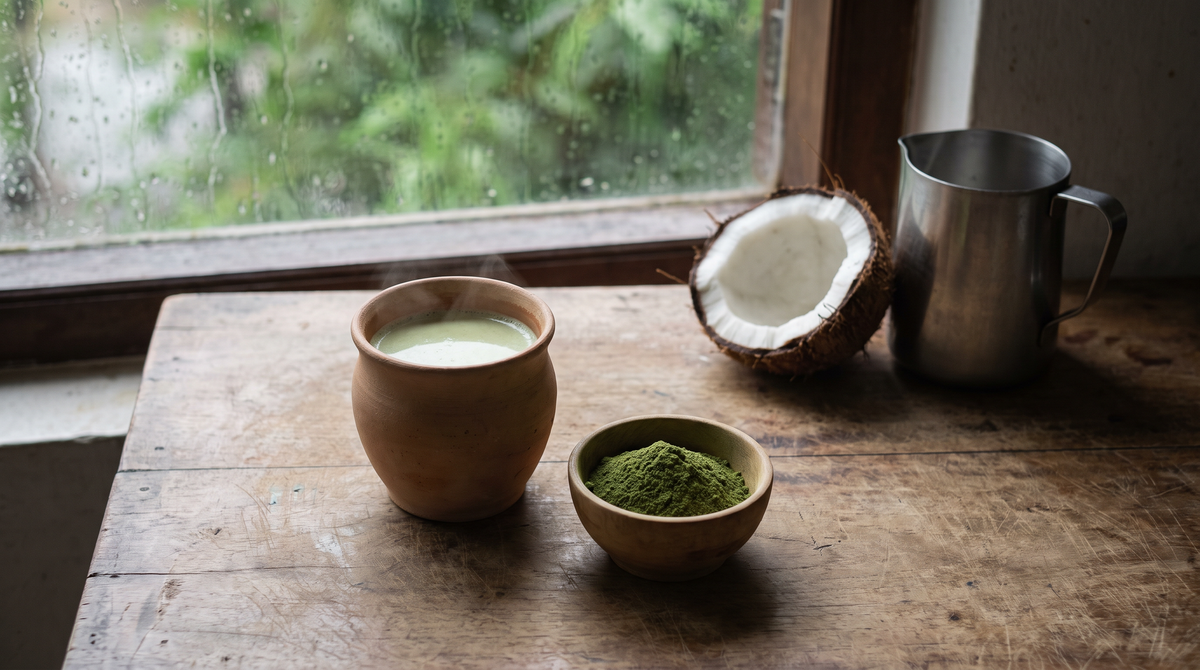
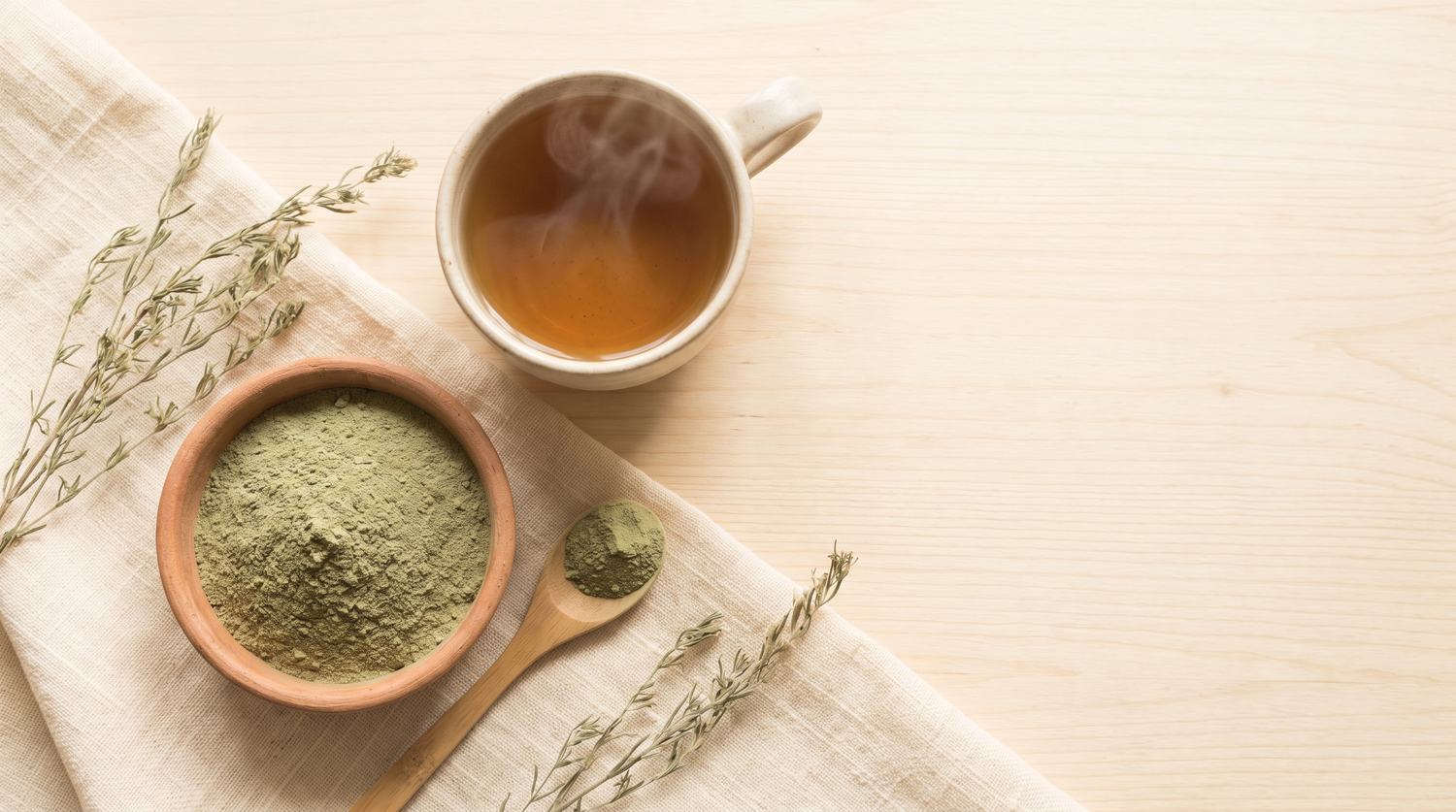
Most herbs work best in the format their tradition already figured out, and Heenbovitiya is one of them. For generations, Sri Lankan households did not swallow it in a capsule. They brewed the whole herb into a bitter morning tea and drank it slowly, on most days, for a long time. That habit was not an accident. The way you take a bitter tonic changes how much of it you actually get, and how consistently you keep taking it. Here is the case for keeping Heenbovitiya as a daily powder tea, and when a capsule still makes sense.
Meet Heenbovitiya, the bitter herb behind the tea
Heenbovitiya is a small, slender herb that grows low to the ground across Sri Lanka and South Asia. In local and Ayurvedic tradition it has long been used as a bitter tonic for the stomach, the liver, and blood sugar. It is genuinely bitter, and that bitterness is part of the point. Bitter herbs have historically been taken to gently nudge digestion and appetite.
What the research says about blood sugar and the liver
Heenbovitiya's own evidence is traditional and preclinical. It has not been tested in human trials for these uses. Its traditional use for blood sugar and the liver is why it sits at the center of Ancient Nutra's Liver & Detox System.
Why a daily tea often beats a capsule
Here is the honest trade-off. A capsule is convenient, precise, and tasteless, which is exactly why people reach for it. But three things make the powder tea the better daily format for a herb like this.
First, consistency. A bitter tonic works on a habit, not a single heroic dose. A warm morning tea is easy to build into a routine you will actually keep for the ninety days that matter.
Second, the bitterness itself. You cannot taste a capsule, and with bitter herbs the taste has always been part of the tradition. Bitters are meant to be tasted, and that signal is thought to be part of how they nudge digestion into gear.
Third, flexibility. Powder lets you start light and adjust. You can brew a weaker cup while your palate adapts, then build up, which a fixed capsule dose does not allow.
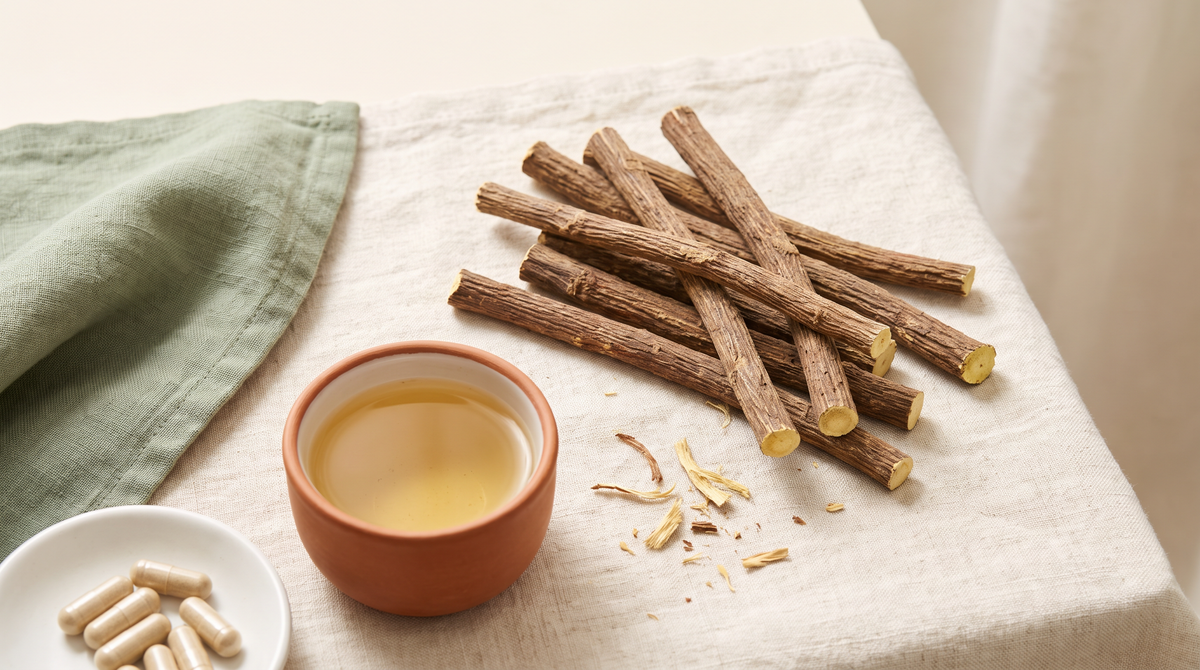
None of this makes the capsule wrong. If you travel constantly, dislike bitter flavors, or just want a fixed dose you never have to think about, Ancient Nutra's Heenbovitiya capsules deliver the same herb in a format you will not skip. The best format is simply the one you take every day.
How to brew it
Keep it simple. Stir half a teaspoon of Heenbovitiya powder into a cup of hot, not boiling, water. Let it steep for three to five minutes, and drink it warm in the morning before food. It will taste bitter, and that is normal. Start with a smaller amount if the bitterness is a lot at first, then work up over a week or two.
Look for
A single-ingredient Heenbovitiya powder with nothing added: no fillers, no sweeteners, no flavor masking. Ancient Nutra's Heenbovitiya Powder is 100g of pure milled herb, enough for months of daily cups.
The bottom line
Heenbovitiya is a bitter Sri Lankan herb with a long tradition of use for blood sugar and the liver. Supplements do not replace sleep, food, and movement, and Heenbovitiya is no exception. What it can do is add a quiet, consistent daily habit on top of a solid foundation. For most people, the powder brewed as a morning tea is the format most likely to become that habit. Keep it simple, keep it daily, and give it time. Take a short break every few weeks, and check with a doctor if you have a liver condition.

Heenbovitiya Powder 100g
Pure milled Heenbovitiya, brewed as a daily bitter tea for blood sugar and liver support.
Shop Heenbovitiya PowderWritten by the Ancient Nutra Wellness Team. The team researches, sources, and tests every ingredient before it earns a place in an Ancient Nutra blend. Questions? Email info@ancientnutra.com or message Ancient Nutra on Instagram.
Medical disclaimer: This article is for educational purposes only and is not medical advice. Statements have not been evaluated by the FDA. Ancient Nutra products are not intended to diagnose, treat, cure, or prevent any disease. Speak with a qualified healthcare provider before starting any new supplement, especially if you take prescription medication or have a medical condition.