By the Ancient Nutra Wellness Team · 6 minute read · Updated June 11, 2026
- A fast drop in blood sugar triggers adrenaline, the same hormone behind the racing heart, shakiness, and dread of an anxiety episode.
- The usual cause is a refined-carb meal that spikes glucose, pulls a big insulin response, then overshoots on the way down.
- Protein and fiber at every meal blunt the spike. Herbs like Karavila, Ceylon Cinnamon, and Gurmar are studied for steadier glucose, not as a rescue.
That 3 PM wave of dread, the racing heart, the slightly shaky hands. It feels like anxiety, and sometimes it is. But if it reliably shows up an hour or two after a big rice lunch or a sweet snack, there is a decent chance your blood sugar got there first.
Here is the short version. A blood sugar crash is what happens when glucose falls quickly after a meal pushed it up too fast. Your body treats a fast drop as an emergency and sends out adrenaline to correct it. Adrenaline does not care why it was called. It produces the same body state either way: pounding heart, sweating, jitters, unease.
How a blood sugar crash actually works
Eat something fast-digesting, white rice, white bread, a sugary drink, and glucose floods the blood quickly. The pancreas answers with a large dose of insulin to move that glucose into your cells. After a sharp spike, the insulin response often overshoots, and glucose comes down harder and faster than it needs to.
Your brain runs almost entirely on glucose, so it monitors that fall closely. When the drop is steep, the body releases adrenaline (epinephrine) to push glucose back up. Researchers who induced controlled glucose dips found that the classic symptoms, shakiness, nervousness, palpitations, tracked the adrenaline response itself (Diabetes, 1997).
That is the whole trick. Adrenaline is the body's all-purpose alarm, and an anxiety episode runs on the same hormone. Your body cannot tell you whether the alarm came from a worried mind or a falling glucose line. You just feel the alarm.
Doctors call the post-meal version reactive hypoglycemia when it is severe enough to measure. Most everyday crashes are milder than the clinical definition. The mechanism, and the feeling, are the same shape.
Why rice-heavy days set the trap
The modern Sri Lankan plate makes this easy to trigger. A mound of white rice, a sweet milk tea mid-morning, a biscuit or two at the desk: each one is a fast glucose spike followed by a steep fall. Stack three of those in a day and you have built a rollercoaster, then wondered why the afternoon feels edgy.
The background numbers raise the stakes. Roughly 12 percent of Sri Lankan adults live with diabetes and another 16 percent are pre-diabetic (BMJ Open, 2023). Years of big spikes and crashes are part of how glucose control erodes. The afternoon jitters are worth taking seriously as an early signal, not just an inconvenience.
You feel this most on the days you skipped breakfast, ate lunch late, or ate it fast. An empty stomach plus a fast-carb meal is the steepest spike of all.
What helps, starting with the plate
The fix is mostly about slowing glucose down, and none of it requires a capsule.
- Put protein and fiber on every plate. Dhal, eggs, fish, or chicken next to the rice slows the whole meal down.
- Shrink the rice, do not skip it. A smaller mound with more vegetables flattens the spike that causes the crash.
- Do not arrive at lunch starving. A long fast followed by a big fast-carb meal is the classic crash setup.
- Walk for 10 minutes after eating. Working muscles pull glucose out of the blood without insulin's help.
- Watch the sweet tea. Sugar dissolved in liquid hits faster than anything on the plate.
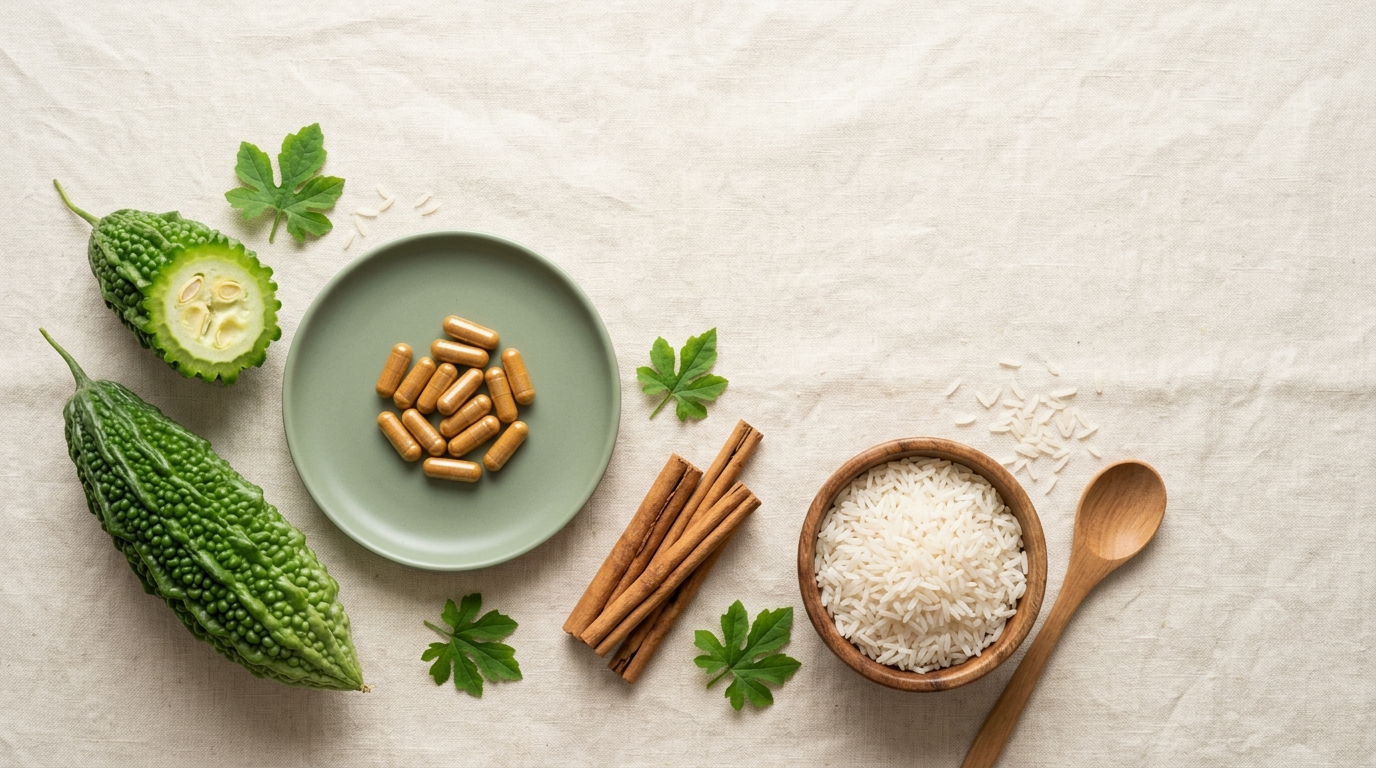
Then there are the herbs, in a supporting role. Karavila (bitter melon) is the classic Sri Lankan blood sugar herb, traditionally eaten as a vegetable and studied for its insulin-like plant compounds. Ancient Nutra's Karavila capsules put that bitter gourd in a form you will actually take daily.
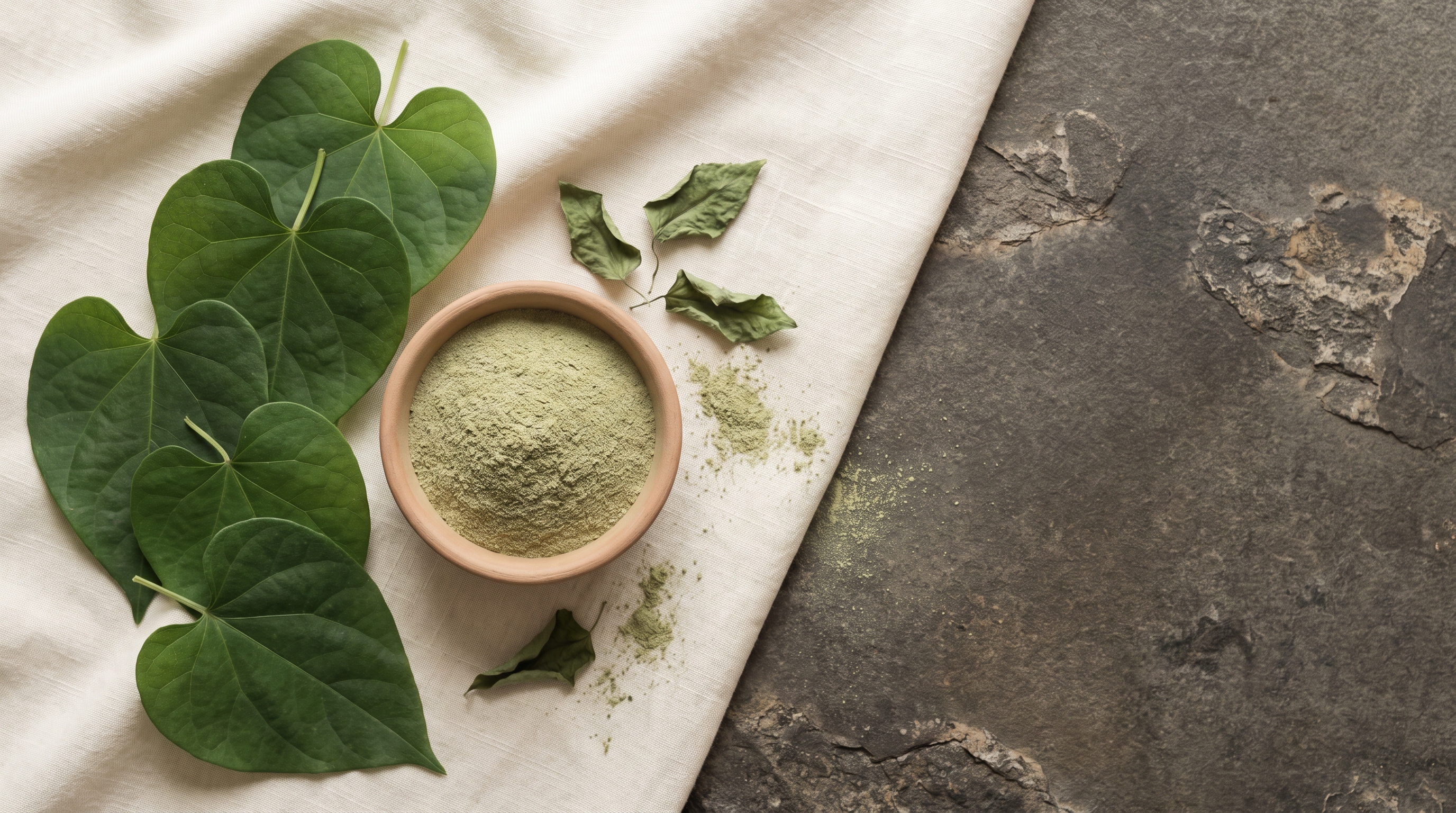
Ceylon cinnamon has the cleanest trial data of the kitchen spices. A meta-analysis of 10 randomized trials found cinnamon lowered fasting blood glucose by about 25 mg/dL (Annals of Family Medicine, 2013). Ancient Nutra's Ceylon Cinnamon uses true Cinnamomum verum, the low-coumarin species, not supermarket cassia. And Gurmar, known in Sinhala as Masbedda, is the Ayurvedic "sugar destroyer": its leaf compounds are studied for blunting sugar absorption, which is why Ancient Nutra's Gurmar is taken before meals.
Whole-fruit bitter melon (Momordica charantia), 500 to 1,000mg per day with meals. Capsules beat juice for one simple reason: you will actually stay consistent.
Ancient Nutra's Karavila (Bitter Melon) is the traditional Sri Lankan gourd in a 60-capsule month's supply.
One honest note: these herbs are studied for steadier baseline glucose over weeks, not for rescuing a crash in progress. If you are mid-crash, a balanced snack and a glass of water do more than any capsule.
When to actually worry
Most post-meal slumps are fixed by the plate changes above. But see a doctor if the episodes come with confusion, blurred vision, or near-fainting, if they happen even when you eat well, or if you have a family history of diabetes and the symptoms are frequent. A simple fasting glucose or HbA1c test answers a lot.
And if the anxiety shows up without any food pattern at all, treat it as anxiety and give it proper attention. Both things can be true. Fixing the sugar rollercoaster just removes one trigger from the pile.
When the team at Ancient Nutra compared notes on afternoon energy, one pattern kept coming up: the worst, jitteriest afternoons followed the biggest rice-and-curry lunches eaten in a hurry. The fix that stuck was not heroic. Half the rice, double the dhal, and a slow walk to the gate and back.
The bottom line
A blood sugar crash feels like anxiety because both run on adrenaline. The crash comes from a spike, so the work is in flattening the spike, not fighting the fall.
- Build every meal around protein and fiber, with rice as the side it was meant to be.
- Move for 10 minutes after your biggest meal of the day.
- If you want herbal support, Karavila, Ceylon Cinnamon, and Gurmar are the studied, traditional picks.
For the capsule route, Ancient Nutra's Karavila is the place most people start: the same bitter gourd Sri Lankan kitchens have cooked for generations, without the bitterness.

The classic Sri Lankan blood sugar herb, one capsule at a time.
ShopSources
- Hypoglycemic symptom variation is related to epinephrine. Diabetes, 1997. Retrieved June 2026.
- Prevalence of diabetes and pre-diabetes in Sri Lanka: systematic review and meta-analysis. BMJ Open, 2023. Retrieved June 2026.
- Allen RW et al. Cinnamon use in type 2 diabetes: an updated systematic review and meta-analysis. Annals of Family Medicine, 2013. Retrieved June 2026.
- Reactive hypoglycemia: What causes it? Mayo Clinic. Further reading.
- How to treat reactive hypoglycemia. Cleveland Clinic. Further reading.
Written by the Ancient Nutra Wellness Team. The team researches, sources, and tests every ingredient before it earns a place in an Ancient Nutra blend. Questions? Email info@ancientnutra.com or message Ancient Nutra on Instagram.
Medical disclaimer: This article is for educational purposes only and is not medical advice. Statements have not been evaluated by the FDA. Ancient Nutra products are not intended to diagnose, treat, cure, or prevent any disease. Speak with a qualified healthcare provider before starting any new supplement, especially if you take prescription medication or have a medical condition.