Ancient Nutra Wellness Team · 12 July 2026 · 6 min read
Ashwagandha powder vs capsules vs extract: which one to take
Key takeaways
- All three are the same herb. They differ in strength per serving and how they fit your routine.
- Powder suits drinks and rituals. Capsules suit convenience. Extract is the strongest per capsule, standardised for active withanolides.
- Start with capsules if you are new, choose extract for a stronger daily dose, and reach for powder if you like a moon-milk or smoothie habit.
NIH LiverTox rates ashwagandha (Withania somnifera) likelihood score B, a likely cause of clinically apparent liver injury. Onset is typically 2 to 12 weeks after starting, with a cholestatic or mixed pattern, often with jaundice and itching. About 23 documented cases have been reported since 2017. Most were self-limited, but rare fatal cases, emergency transplant, and 3 deaths from acute-on-chronic liver failure have been reported in an Indian case series. Serious outcomes are uncommon relative to how widely ashwagandha is used, but they are real, so take the herb in a bounded course, not indefinitely.
Stop and seek medical help if you notice yellowing of the eyes or skin, itching, dark urine, persistent nausea, or unusual tiredness.
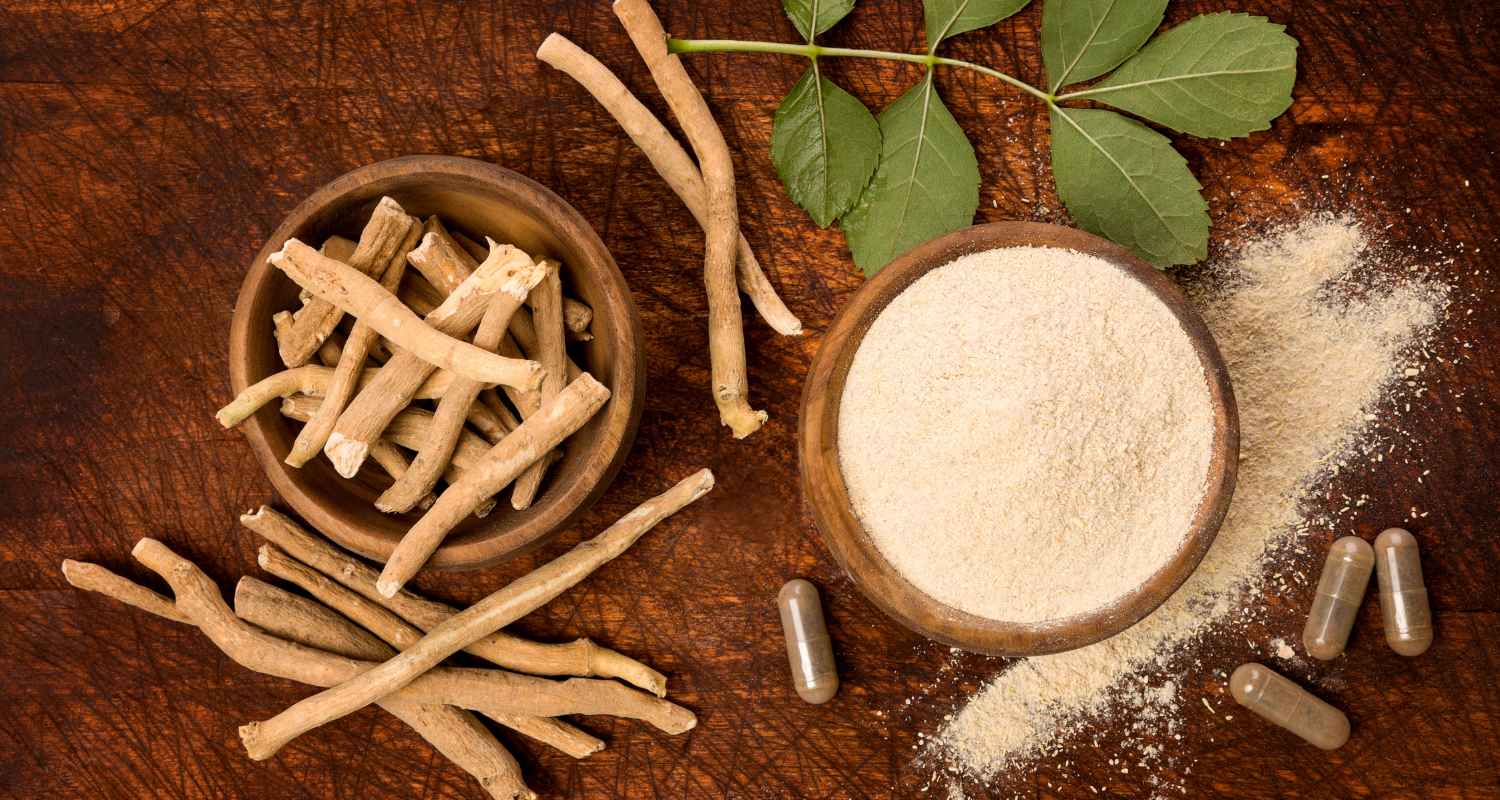
Ashwagandha is the most popular herb Ancient Nutra makes, and it comes in three forms that confuse almost everyone at first. Powder, capsules, standardised extract. They are all the same root, so the question is not which is best, but which fits the way you actually live. Here is the plain-language guide.
What they share
All three are Ashwagandha, the Ayurvedic adaptogen traditionally used to calm the body's stress response, support restful sleep, and steady daily energy. It is not a stimulant. It works gradually, with most people noticing a difference between weeks 2 and 6. That timeline is the same across every format.
Powder: for people who like a ritual
Ashwagandha powder is pure root you stir into warm milk, a smoothie, or a bedtime moon milk. It is the most flexible on dose and the most enjoyable if you like a daily ritual drink. The trade-offs are taste, which is earthy and slightly bitter, and precision, since a spoon is less exact than a capsule.
Powder is the traditional way the herb was taken for centuries, and it is still the nicest for an evening wind-down routine.
Capsules: for people who want simple
Capsules are the easy default. A fixed dose of root powder, no taste, no mixing, done in five seconds with water. If you are new to Ashwagandha or just want it off your mind, this is where to start. Ancient Nutra's Ashwagandha capsules deliver 500mg of pure root per capsule.
Extract: for a stronger daily dose
Standardised extract is the concentrated version. It is measured for withanolides, the active compound class most responsible for Ashwagandha's calming effect, so each capsule delivers more of what does the work. Choose extract when plain capsules feel too gentle, or when you are managing higher daily stress and want a stronger, consistent dose.
Look for
A standardised extract lists its withanolide percentage; plain powder does not need to. Ancient Nutra's Ashwagandha Extract is standardised for withanolides, while the powder is pure root for drinks and rituals.
A quick way to decide
New to it, want simple: capsules. Higher stress, want a stronger dose: extract. Love a bedtime drink or smoothie: powder. You can also mix, for example capsules on workdays and powder in an evening moon milk on weekends. The herb works the same either way.
The bottom line
Same root, three routines. Capsules for ease, extract for strength, powder for ritual. Whichever you pick, give it a steady 4 to 6 weeks before you judge it, as part of a bounded eight to twelve week course, then a break, because Ashwagandha rewards consistency more than intensity.

Ashwagandha Extract
Standardised for withanolides, the strongest daily dose in the Ashwagandha range.
Shop Ashwagandha ExtractWho should check with a doctor first: ashwagandha can interact with thyroid medication (it may raise thyroid hormone levels), sedatives (it can add to drowsiness), and immunosuppressants (it may counteract them by stimulating the immune system). Avoid it in pregnancy. If someone has a thyroid or autoimmune condition, they should check with a doctor before starting.
Sources: NIH LiverTox, Ashwagandha (NBK548536).
This article is for general information and is not medical advice. Speak with a doctor before starting ashwagandha, especially if pregnant, on thyroid medication, sedatives, or immunosuppressants, or if managing a thyroid or autoimmune condition. Last reviewed 6 August 2026.
Sources and further reading
- Ashwagandha and cortisol, 2024 systematic review, BJPsych Open (Cambridge).
- Ashwagandha overview, Mount Sinai.
Written by the Ancient Nutra Wellness Team. The team researches, sources, and tests every ingredient before it earns a place in an Ancient Nutra blend. Questions? Email info@ancientnutra.com or message Ancient Nutra on Instagram.
Medical disclaimer: This article is for educational purposes only and is not medical advice. Statements have not been evaluated by the FDA. Ancient Nutra products are not intended to diagnose, treat, cure, or prevent any disease. Speak with a qualified healthcare provider before starting any new supplement, especially if you take prescription medication or have a medical condition.