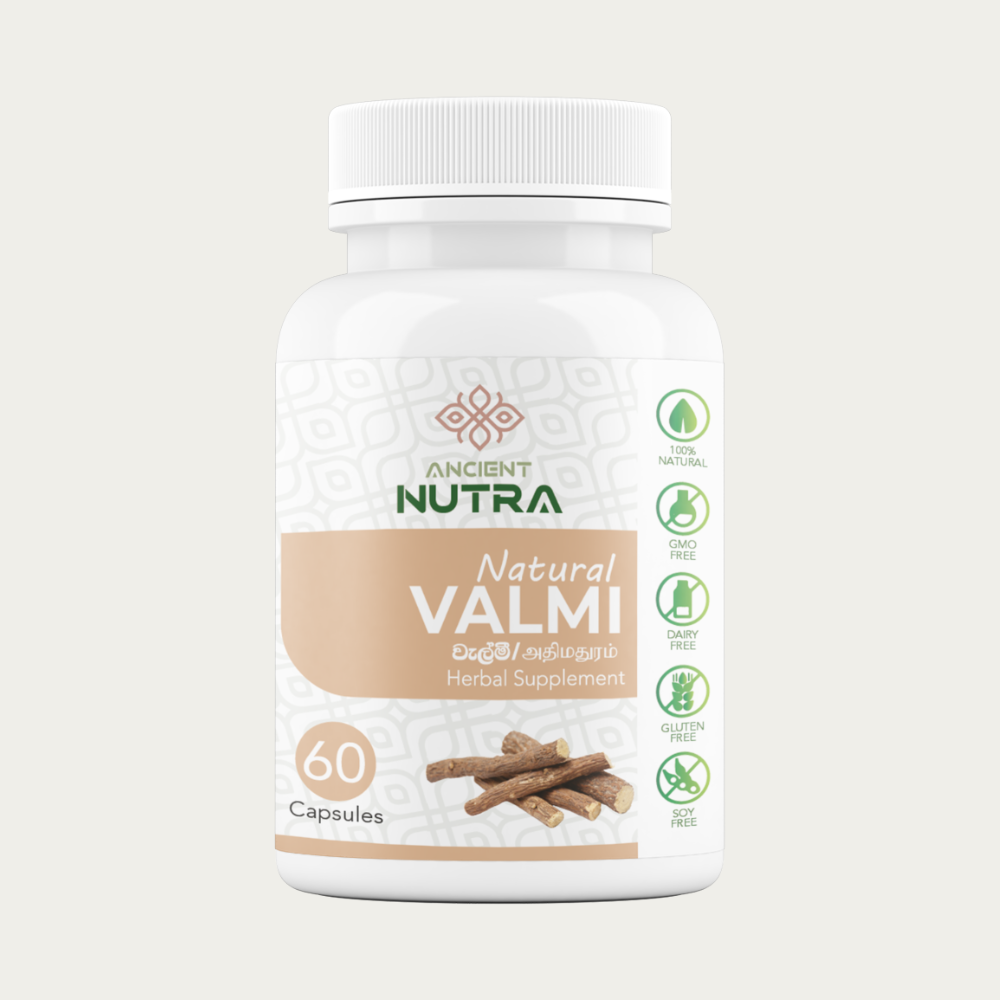
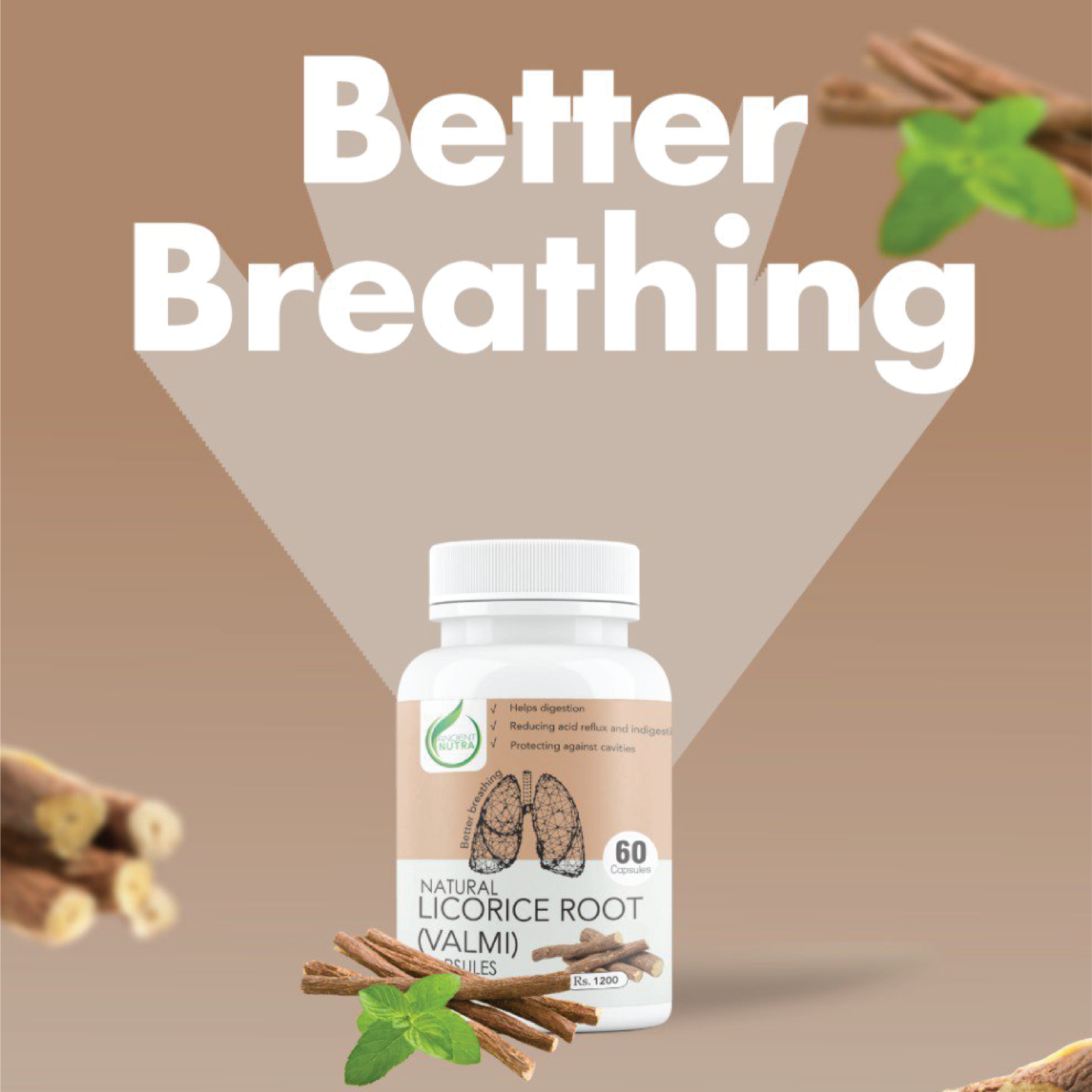
Licorice Root (Valmi) - 60 capsules



Licorice root for throat and gut comfort
Last updated: May 2026
Ancient Nutra Valmi Licorice Root is a time-tested herbal supplement with a sweet, aromatic flavour. Licorice is traditionally used to soothe the throat, ease coughs, and support digestive comfort.
Benefits
- Soothes the throat and eases coughs.
- Supports digestive comfort and eases occasional heartburn.
- Supports upper respiratory comfort.
- Supports oral health.
How to take it
Take 1 capsule after meals, up to three times a day, or as directed.
Important safety note
Licorice is not suitable for everyone. If you have high blood pressure, are pregnant, or take heart or blood-pressure medication, speak with your doctor before use, and avoid prolonged high-dose use.
Frequently asked questions
What is Valmi?
Valmi is the local name for licorice root (Glycyrrhiza glabra), valued for its sweet flavour and soothing properties.
Can I take it every day?
Use it as directed and avoid prolonged high-dose use. If you have high blood pressure, check with your doctor first.
Quality
Made in Sri Lanka under BRCGS, GMP, HACCP, FSSC 22000, and ISO 22000. Vegetarian capsules.
Women's Balance Protocol
Taken alongside
Is this right for you?
Ask Jivaka. It will tell you how Licorice Root (Valmi) - 60 capsules fits your routine, the right dose and timing, and whether something simpler should come first.
You may also like
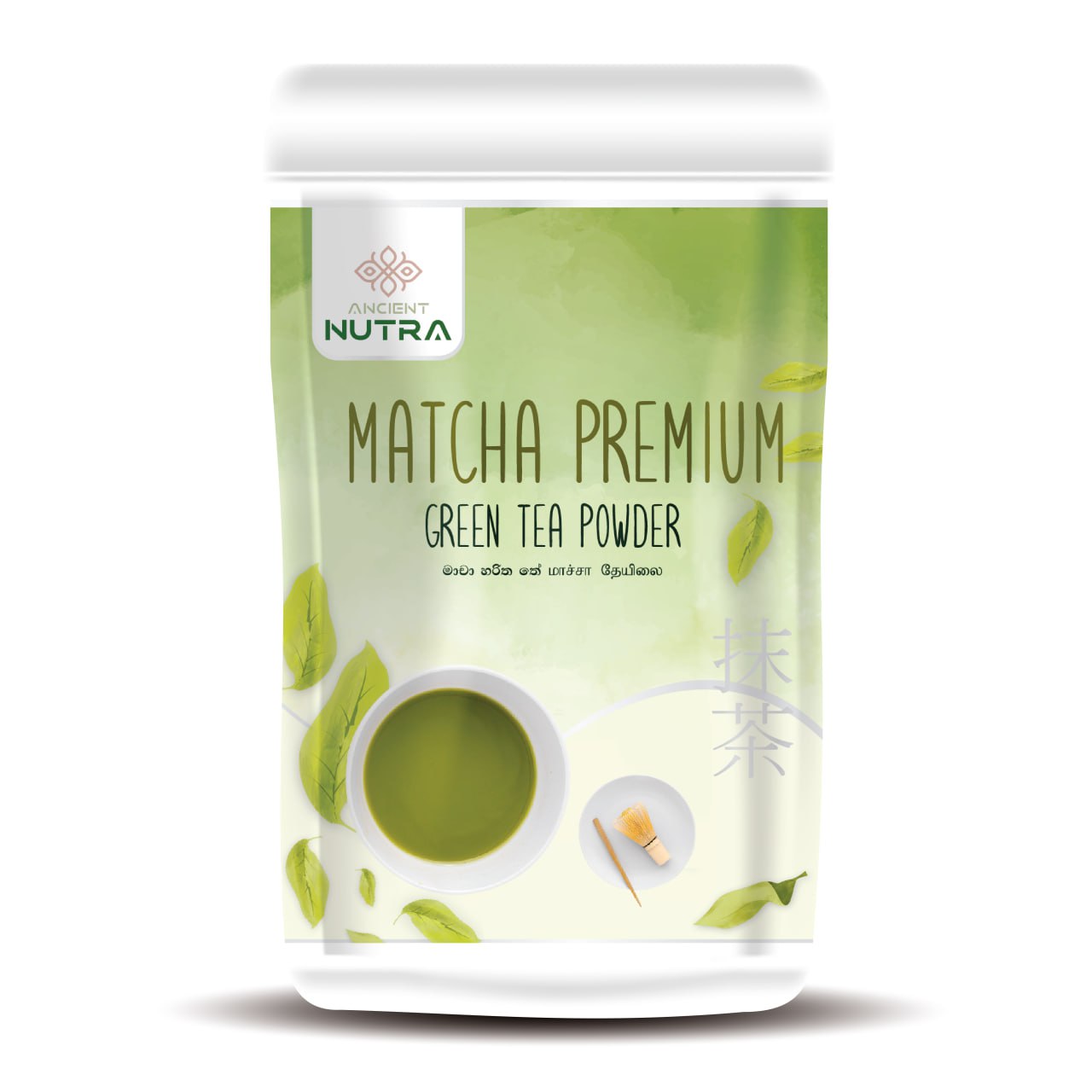
Blog posts
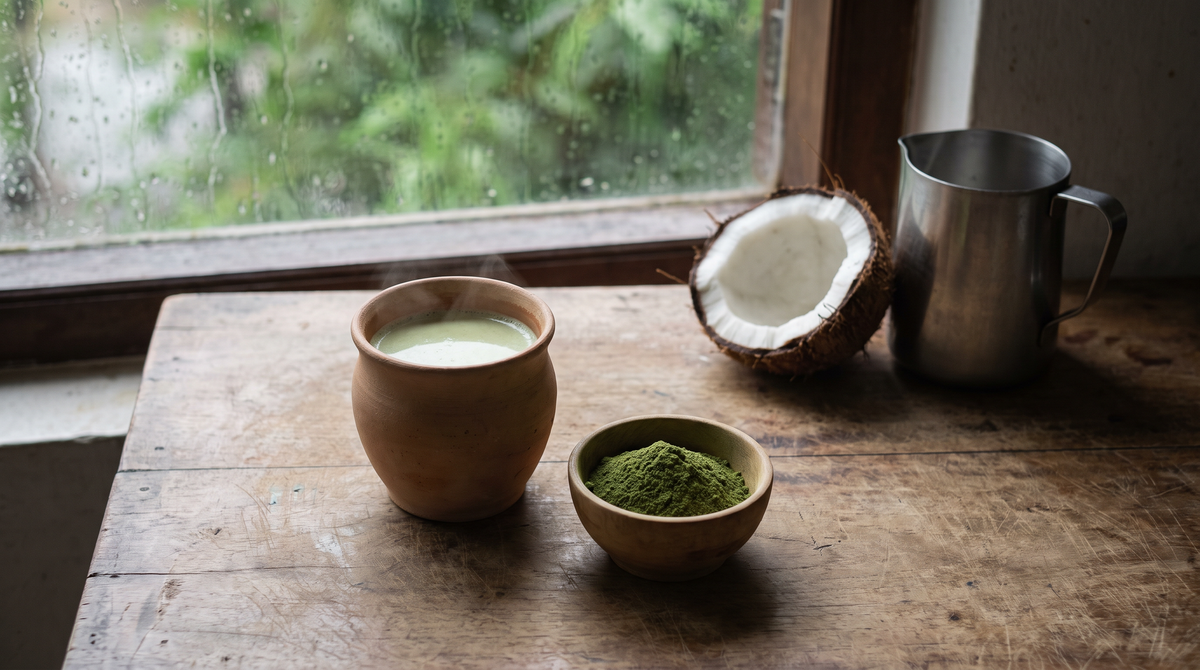
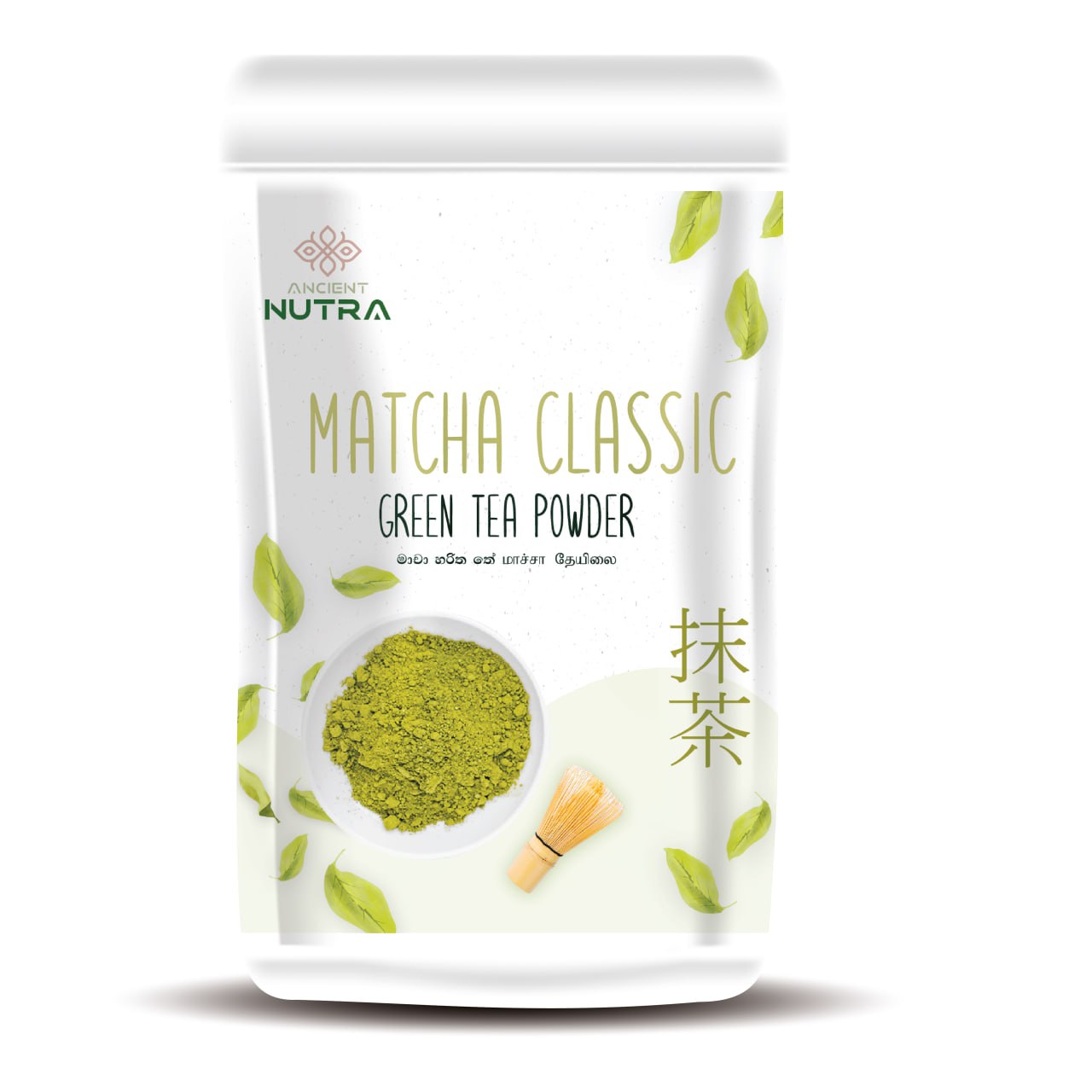
A coconut milk green latte for wet October mornings, in 5 minutes
A 5-minute coconut milk green latte for Sri Lanka's wettest weeks, when October to November rain tops 500 mm. Mix in cool water first and never boil the milk.
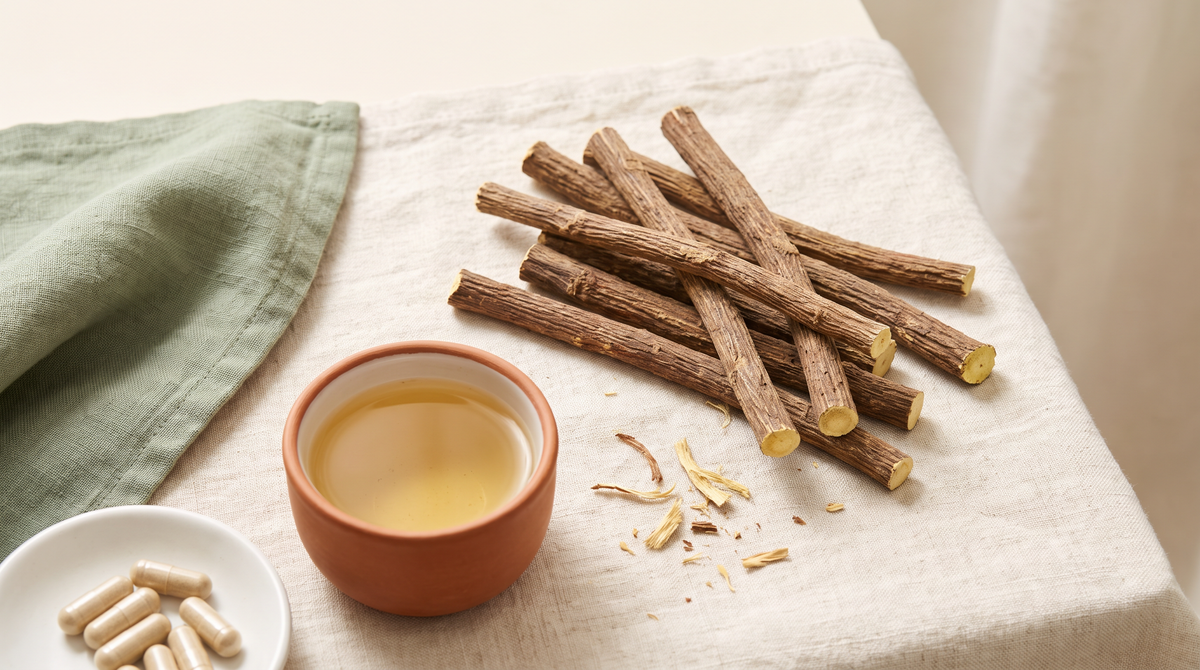
Valmi (licorice root): what it soothes, and why caution comes first
Valmi (licorice root) soothes the throat and after-meal burning, but glycyrrhizin can raise blood pressure. EU guidance: 100 mg a day at most, 4-week courses.
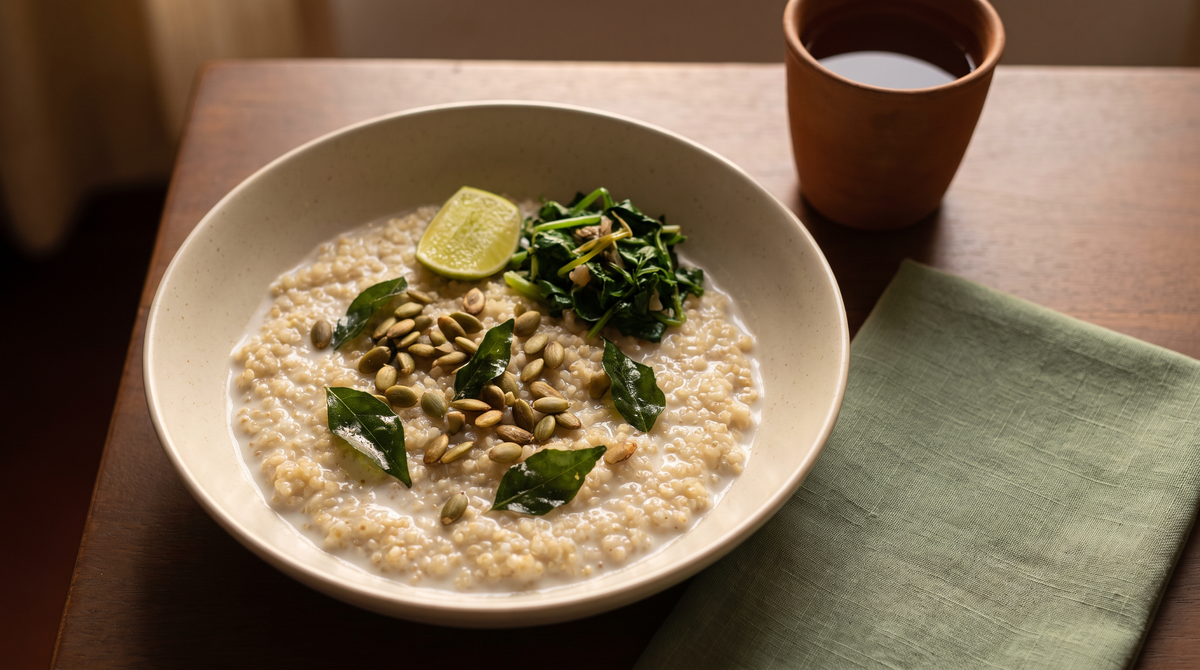
A coconut quinoa bowl for a slow weekday evening, in 25 minutes
A coconut quinoa bowl for weeknights: rinse, simmer in coconut milk with ginger and curry leaves, top with pumpkin seeds. Quinoa is 12 to 23 percent protein.