


Chia Seeds 100g



A daily omega-3 and fibre boost
Last updated: May 2026
Ancient Nutra Chia Seeds pack omega-3 fatty acids, fibre, protein, and antioxidants into a neutral-tasting seed that blends into almost any meal. The exquisite texture makes it a perfect addition to a variety of foods.
Benefits
- Supports healthy weight by increasing fullness and slowing digestion.
- Supports heart health.
- Supports bone health.
How to use it
- Chia pudding: soak in your choice of milk overnight, then top with fruit or nuts.
- Smoothies and oatmeal: stir in a tablespoon or two for extra fibre and omega-3s.
- Salads and baking: sprinkle over salads or mix into muffins, bread, and granola.
- Egg replacement: mix with water to use as a vegan egg substitute in baking.
Frequently asked questions
How much should I have each day?
Start with a teaspoon or two daily and increase gradually. Drink plenty of water, as chia absorbs liquid and expands.
Do I need to soak them?
Not always. They are great soaked into a pudding, but can also be sprinkled dry over food or blended into smoothies.
Quality
Made in Sri Lanka under BRCGS, FSSC 22000, and ISO 22000.
Taken together
Taken alongside
-
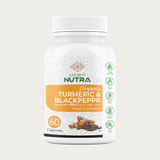
Turmeric & Black Pepper - 60 capsules
Piperine raises absorption of every capsule in the range
Rs 2,000.00
Is this right for you?
Ask Jivaka. It will tell you how Chia Seeds 100g fits your routine, the right dose and timing, and whether something simpler should come first.
You may also like
Blog posts
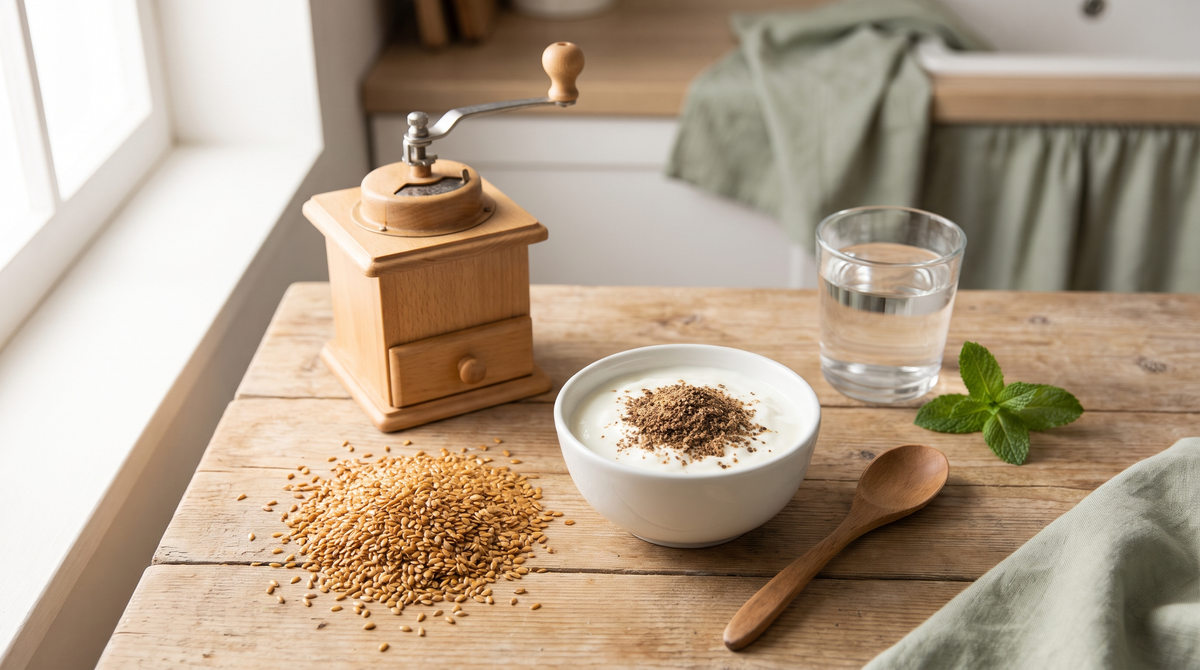
A 5-minute morning ritual with ground flax seeds
Grind one tablespoon of flax, stir it into yogurt or porridge and drink a glass of water. A 5-minute morning ritual, with the numbers and a safety note.
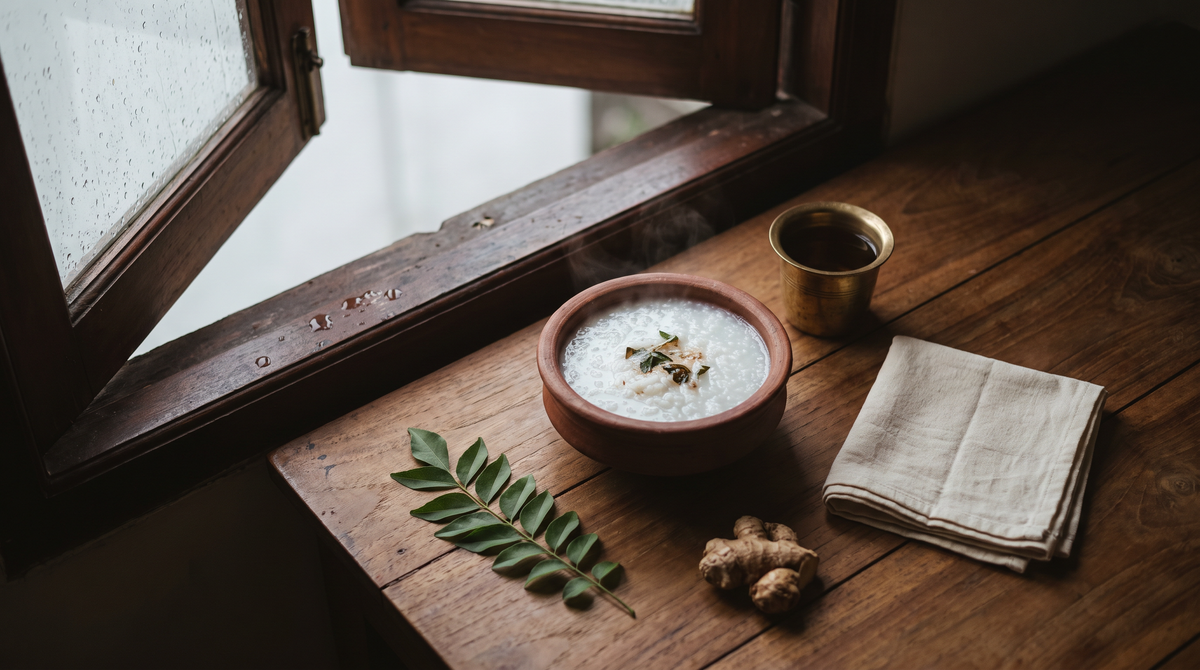
Maha monsoon habits: warm food, steady sleep and a simple morning
As the Maha monsoon sets in, three habits matter most: warm simple meals, sleep times held within 1 hour, and a morning routine that still works on rainy days.
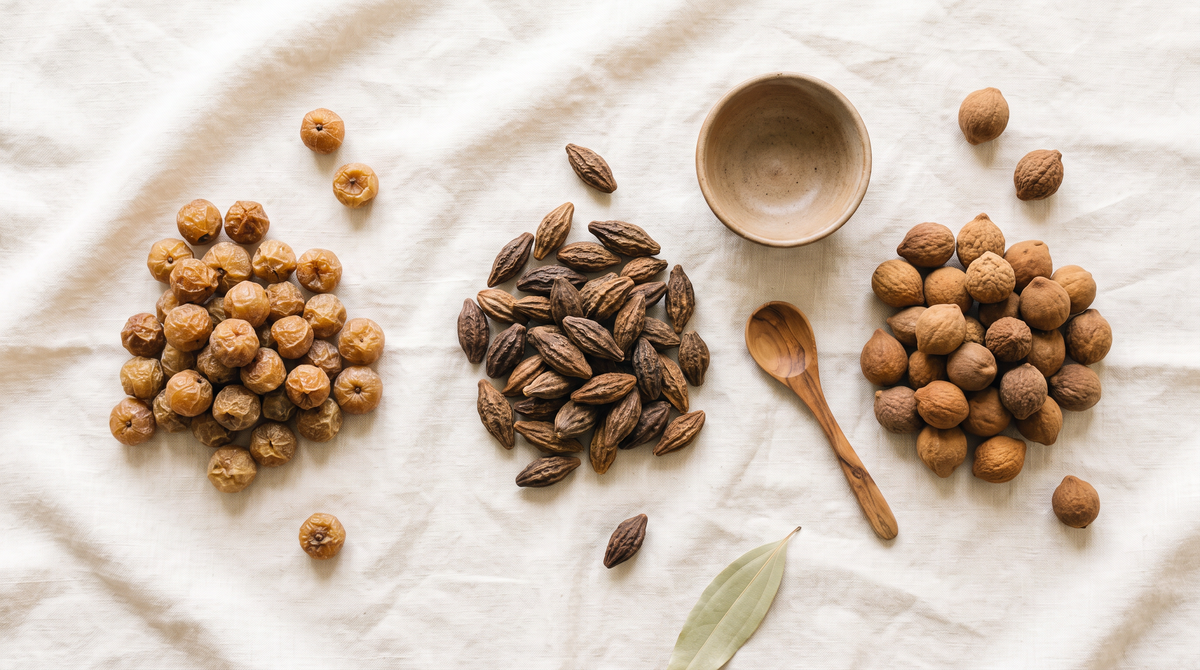
Triphala, the three-fruit blend: what the human research shows and what it does not
Triphala pairs amla, haritaki and bibhitaki. The longest careful human study ran 4 weeks at 2,500 mg a day. Here is what that does and does not tell you.