Ancient Nutra Wellness Team · 24 July 2026 · 8 min read
Best Ayurvedic herbs for sleep: 4 picks that beat melatonin habits
- Melatonin signals your body clock, but it does not calm the high cortisol, racing mind, or restless gut that keep most people awake, which is why a nightly habit often stops delivering.
- Of the four Ayurvedic herbs here, ashwagandha has the strongest human evidence: a 2021 meta-analysis found it meaningfully improved sleep, and one trial cut time to fall asleep by about five minutes.
- Reishi, Triphala, and Hathawariya (Shatavari) rest on traditional use and early research, so treat them as gentle, root-cause support rather than proven sleep drugs, and start with one herb at a time.
If a bottle of melatonin lives on your nightstand, you have plenty of company. Rest is in short supply: the U.S. Centers for Disease Control and Prevention reports that about 1 in 3 adults regularly sleeps less than seven hours a night. The catch is that melatonin was built to nudge your body clock, not to quiet a racing mind, lower a stubborn evening cortisol spike, or settle a gut that will not let you drift off. Ayurveda took a different route. Instead of a single hormone, it leaned on calming, adaptogenic herbs that work on the systems behind poor sleep. Here are four of them, ranked by how much modern evidence stands behind each one.
Why does melatonin stop working as a nightly habit?
Melatonin is a hormone your brain releases in darkness to tell your body that night has arrived. That makes it genuinely useful for jet lag or a rotating shift, when the clock itself is out of sync. Used every single night for ordinary insomnia, though, it tends to disappoint, because it never touches the reason you are awake. The Sleep Foundation notes that melatonin does not create physical dependence the way sedatives can, but people can become psychologically reliant on it, and it advises addressing root causes such as stress, light, and evening habits first.
That reliance is visible in the market. Industry analysts at GMInsights project the global melatonin supplement market will grow from roughly USD 2.84 billion in 2024 to USD 11.42 billion by 2034, close to a fourfold rise. When a sleep aid keeps selling but people keep waking, it is worth asking what the pill is missing. The four herbs below aim at the missing piece: cortisol, the GABA system that flips your brain into rest mode, and the gut.
The 4 Ayurvedic herbs that work with your body, not around it
To earn a place on this short list, an herb had to calm a genuine root cause of poor sleep, carry either real clinical evidence or a long and consistent traditional record, and be gentle enough for daily use. They are ordered by the strength of that evidence, so the most studied pick comes first.
1. Ashwagandha, the most studied herb for falling asleep faster
Ashwagandha (Withania somnifera) is the only herb here with human trials squarely behind it, and its second name, somnifera, literally means sleep-inducing. It works by calming an overactive stress response: it helps lower cortisol through the HPA axis and appears to nudge the GABA system that quiets the brain at night. A 2021 systematic review and meta-analysis in PLoS ONE, pooling five randomized controlled trials, found ashwagandha meaningfully improved overall sleep (standardized mean difference −0.59), with the clearest results at doses of 600 mg or more per day taken for at least eight weeks. In one 10-week trial, people fell asleep in about 29 minutes on ashwagandha versus nearly 34 on placebo, and reported less anxiety alongside it. It suits the "tired but wired" sleeper whose stress does not switch off at bedtime. A standardized extract of 300 to 600 mg in the evening, given a full eight weeks, is the pattern the research supports. Ancient Nutra's Ashwagandha Extract offers that standardized, evening-friendly dose.
2. Reishi, the calming mushroom traditionally used for deeper rest
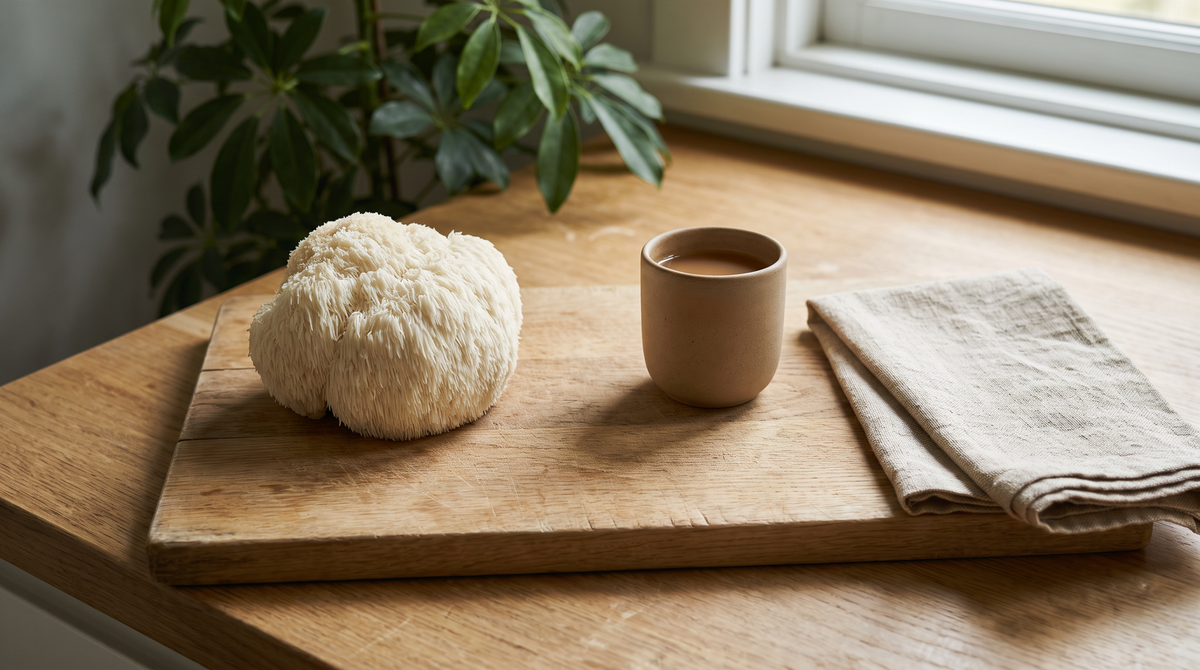
Reishi (Ganoderma lucidum), the mushroom Chinese and Ayurvedic traditions nicknamed the herb of calm and longevity, is prized for taking the edge off without sedating you. The human sleep evidence is not there yet, so this is one to frame honestly. Early preclinical research is promising: a 2007 study in the Journal of Ethnopharmacology found a reishi extract shortened sleep latency and increased total and non-REM sleep in animals, an effect that ran through the same GABAergic pathway many sleep medicines use. It has long been the pick for the person who wants calmer energy by day and an easier landing at night rather than a chemical knockout. Because human trials are still pending, treat reishi as gentle, traditional support and look for a standardized extract if you try it.
3. Triphala, the gut-first route to steadier sleep
Triphala, the classic Ayurvedic blend of three fruits, does not look like a sleep herb at all, and there is no direct sleep trial for it, so the case is indirect. Its value is the gut. If bloating, irregularity, or a heavy late dinner is what pulls you awake at 2 a.m., calming digestion can quietly protect your night. Research in Molecular Nutrition & Food Research shows Triphala's polyphenols feed beneficial gut bacteria such as Bifidobacteria and Lactobacillus and engage the gut-brain axis, the same two-way line that links a settled stomach to a settled mind. Traditionally it is taken as a gentle evening cleanse, one to two capsules after dinner. It is the right pick for people whose sleep problem is really a digestion problem in disguise. See Ancient Nutra's Triphala for a daily-friendly dose.
4. Hathawariya (Shatavari), the Ayurvedic nervine for a settled mind
Hathawariya is the Sri Lankan name for Shatavari (Asparagus racemosus), an herb Ayurveda has classed for centuries as a nervine tonic, meaning a plant that steadies the nervous system. As with reishi and triphala, the modern human sleep data is thin, so this is a traditional-plus-early-research pick. A 2023 review in Heliyon documents its adaptogenic profile, including effects on the body's stress response and the calming GABA system, and rodent studies point to a calming, mood-supporting effect. It has traditionally been offered to people whose restlessness is tied to a frazzled, overstretched nervous system, often with a hormonal edge. Think of it as the gentlest, most classically Ayurvedic member of this group rather than a proven sleep treatment.
How should you actually use these four herbs?
The most common mistake is starting all four at once, which tells you nothing about what actually helped. Treat this as a buffet, not a shopping list. Begin with the herb the evidence favours: ashwagandha, taken each evening for two to three weeks before you judge it, since the trials show benefits build over six to eight weeks rather than on night one. Keep an ashwagandha run to eight to twelve weeks, then take a break, and check first with a doctor if you take thyroid medication, sedatives, or immunosuppressants, or are pregnant or breastfeeding; the NIH LiverTox database (Withania somnifera, likelihood B) links open-ended use to rare liver injury, with warning signs of yellowing skin or eyes, itching, dark urine, or unusual tiredness (NIH LiverTox). If you suspect your gut is the culprit, add Triphala after dinner. Reishi and Hathawariya are best added later, one at a time, if you want extra calm. If you are new to adaptogens and want to start gentle, Ancient Nutra's Ashwagandha capsules are an easy on-ramp. Give any herb a fair run, keep your other sleep habits (dark room, consistent wake time) in place, and speak with a qualified provider first if you take prescription medication, are pregnant, or manage a thyroid condition.
The bottom line
If you want to lean less on a nightly melatonin pill, ashwagandha is the evidence-backed place to start, calming the stress response that keeps most people wired at bedtime. Triphala helps when digestion is the hidden disruptor, while reishi and Hathawariya offer gentle, traditional calm for those who want to go further. None of them is a sedative, and none works overnight. Used patiently, and paired with steady sleep habits, they aim at the causes of a restless night rather than papering over them. For the most studied of the four, Ancient Nutra's Ashwagandha Extract is a sensible first step.
Which herb is best if stress is what keeps me awake?
Ashwagandha. It is the one herb here shown in human trials to lower cortisol and improve sleep, so it is the natural first choice when a racing, stressed mind is the problem.
How long before ashwagandha improves my sleep?
It is not an instant knockout. The trials show benefits building over roughly six to eight weeks of daily use, so give it at least two to three weeks before judging and a full eight for the clearest effect.
Can I take ashwagandha and melatonin together?
They act differently, ashwagandha calming the stress system and melatonin signalling timing, so people sometimes use them for different reasons. Still, combining sleep aids is not something to do casually, so check with a healthcare provider first.
Are these herbs safe to take every night?
Ashwagandha is generally taken for eight to twelve weeks, then a break, and is not advised in pregnancy or with an overactive thyroid, or alongside sedatives or immunosuppressants, without guidance. The NIH LiverTox database (Withania somnifera, likelihood B) links open-ended use to rare liver injury, with warning signs of yellowing skin or eyes, itching, dark urine, or unusual tiredness (NIH LiverTox). Reishi and Triphala are traditionally taken daily, often in cycles, and are generally gentler; speak with a qualified provider if you have a medical condition or take medication.

Ashwagandha Extract
A standardized, evening-friendly extract to calm the stress response and support natural, restful sleep.
Shop Ashwagandha ExtractSources and further reading
- Sleep in adults, facts and stats, U.S. Centers for Disease Control and Prevention.
- Cheah KL et al., Effect of Ashwagandha on sleep: a systematic review and meta-analysis, 2021, PLoS ONE.
- Langade D et al., Ashwagandha for insomnia and anxiety, a randomized controlled trial, Cureus / NIH.
- Melatonin, uses and cautions, Sleep Foundation.
- Chu QP et al., Ganoderma lucidum extract and sleep, 2007, Journal of Ethnopharmacology.
- Triphala, gut microbiome and the gut-brain axis, 2024, Molecular Nutrition & Food Research.
- Adaptogenic properties of Asparagus racemosus (Shatavari), 2023, Heliyon.
Written by the Ancient Nutra Wellness Team. The team researches, sources, and tests every ingredient before it earns a place in an Ancient Nutra blend. Questions? Email info@ancientnutra.com or message Ancient Nutra on Instagram.
Medical disclaimer: This article is for educational purposes only and is not medical advice. Statements have not been evaluated by the FDA. Ancient Nutra products are not intended to diagnose, treat, cure, or prevent any disease. Speak with a qualified healthcare provider before starting any new supplement, especially if you take prescription medication or have a medical condition.