Ancient Nutra Wellness Team · 15 August 2026 · 6 min read
Why Rice and Curry Can Leave You Bloated (And What Helps)
Key takeaways
- Bloating after a heavy plate of rice and curry is almost always digestion working through a big, rich meal, not a sign of food intolerance.
- Fat and portion size slow the stomach down more than rice itself, and that slowdown is what shows up as fullness and pressure.
- Eating a little slower, walking after the meal, and two well studied herbs (Triphala, ginger) ease most everyday cases within a few weeks, not months.
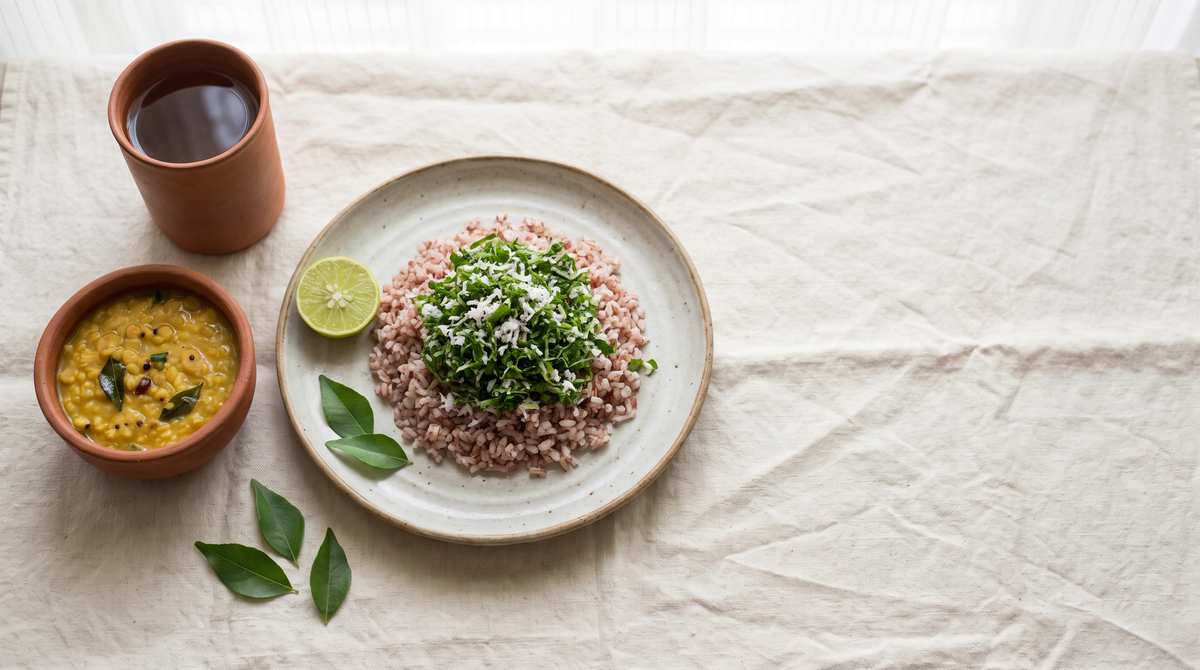
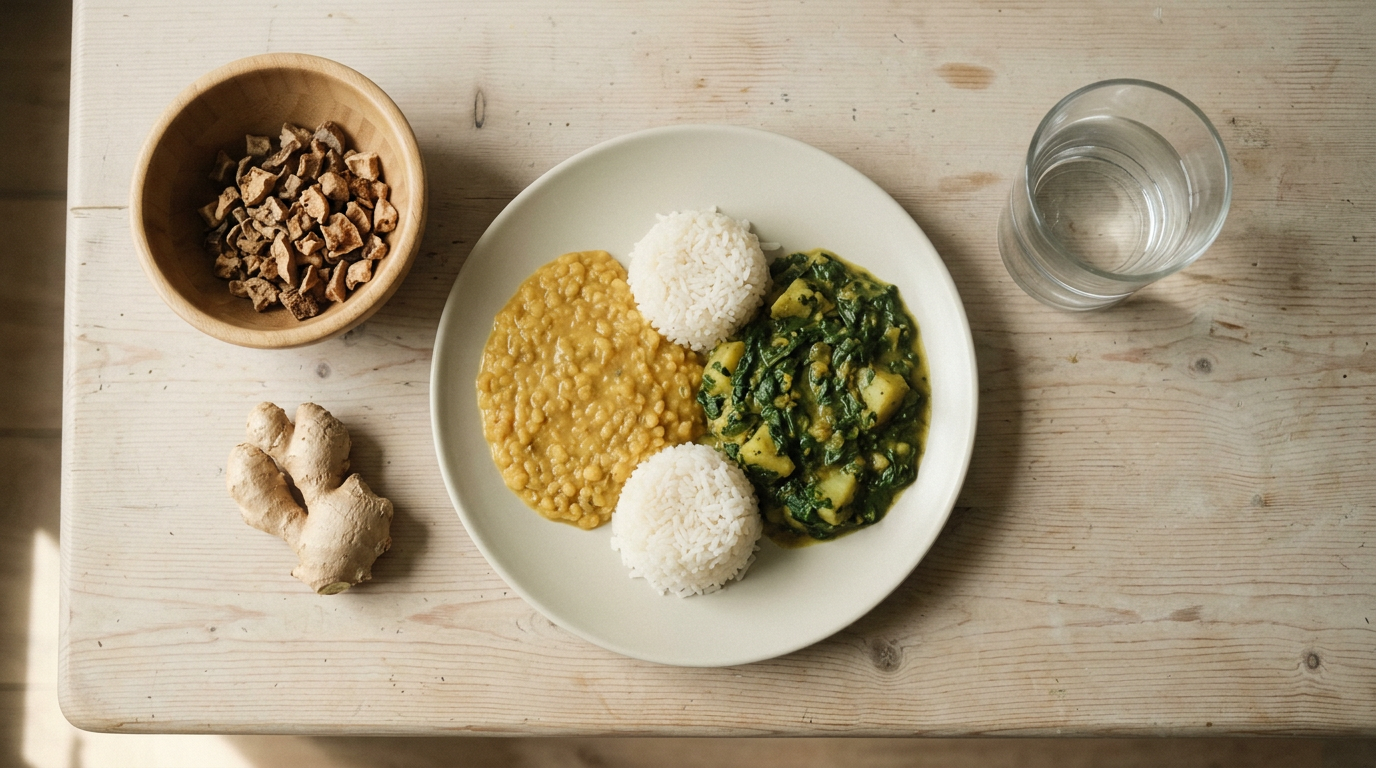
Rice and curry is the plate most Sri Lankan stomachs know best, and some days it still sits like a stone. The instinct is to blame the curry: too much oil, too much coconut milk, too much chilli. That is usually only half the story. What actually decides whether a plate leaves you comfortable or reaching for your waistband has less to do with any single ingredient and more to do with how much, how rich, and how fast it went down. Understanding that mechanism changes what you actually do about it, and the fix is simpler than most bloating advice makes it sound.
Bloating after a meal is the stretched, full feeling that shows up when gas and slowly digesting food expand the stomach and intestines faster than the body can move them along. It is different from a food intolerance, which tends to react the same way to one specific ingredient every time. In the body, digestion works like a relay: the stomach churns and empties in stages, the small intestine absorbs what it can, and the colon ferments whatever is left over with help from gut bacteria. When one stage in that relay backs up, usually the stomach emptying stage after a big or fatty meal, the backup is what you feel as pressure under the ribs.
How a heavy plate of rice and curry actually slows digestion
The stomach empties in stages, and fat is the single biggest thing that slows the process down. Coconut milk, ghee, and oil based curries take longer to break down than plain rice, so the stomach holds the whole plate longer to give enzymes time to work through it. That holding pattern is normal. It is also, in plain terms, what bloating is: food and gas sitting in a stomach that has not finished its job yet.
Rice itself is rarely the problem. White rice digests quickly and does not ferment much once it reaches the colon. The heavy feeling tends to come from what is layered around it: a second helping, a rich gravy, fried sides like papadam, and pace. Eating quickly means swallowing extra air along with the food, and that air adds directly to the pressure the stomach is already managing.
Delayed stomach emptying shows up often enough in people with regular after meal bloating that researchers treat it as one of two overlapping patterns behind functional dyspepsia, the general medical term for a stomach that reacts more to meals than it should (NCBI, 2021). The other pattern is a stomach and gut that are simply more sensitive to normal stretching, part of why two people can eat the same plate and only one of them feels it.
None of this makes rice and curry a meal to fear. It means the size of the plate, the richness of the curry, and the speed it goes down at matter more than any single ingredient on it.
Why this shows up more on some days than others
Functional dyspepsia, the fullness, bloating, and early "I'm done" feeling that can follow a meal, is common enough that a global review put the pooled prevalence at roughly 1 in 12 people (systematic review and meta analysis, 1990 to 2020). That figure covers the diagnosed condition. The everyday version, feeling it only after a particularly heavy lunch, is far more common and usually has nothing to do with a diagnosis at all.
What changes from day to day is portion size, how rushed the meal was, and what state the gut was already in. A weekend lunch with second helpings and less time between bites moves slower than a weekday plate eaten at a normal pace. Stress before or during a meal also slows gut motility, so the heaviest feeling days are often the same days that were already rushed.
Hydration timing matters more than most people expect. A large glass of water swallowed right alongside a big meal dilutes stomach acid at exactly the moment it is working hardest, which can slow things down further. Spacing water through the afternoon instead of drinking it around the plate tends to help more than cutting it out.
What actually helps after a heavy meal
The basics do most of the work. Eat a little slower, since a plate finished over twenty minutes moves differently through the body than the same plate finished over eight. Take a ten to fifteen minute walk after eating instead of sitting or lying down straight away; walking helps the stomach empty and eases pressure. Space water through the day rather than drinking a large glass at the table. Stop eating a little before full, since the last few bites usually add more discomfort than satisfaction.
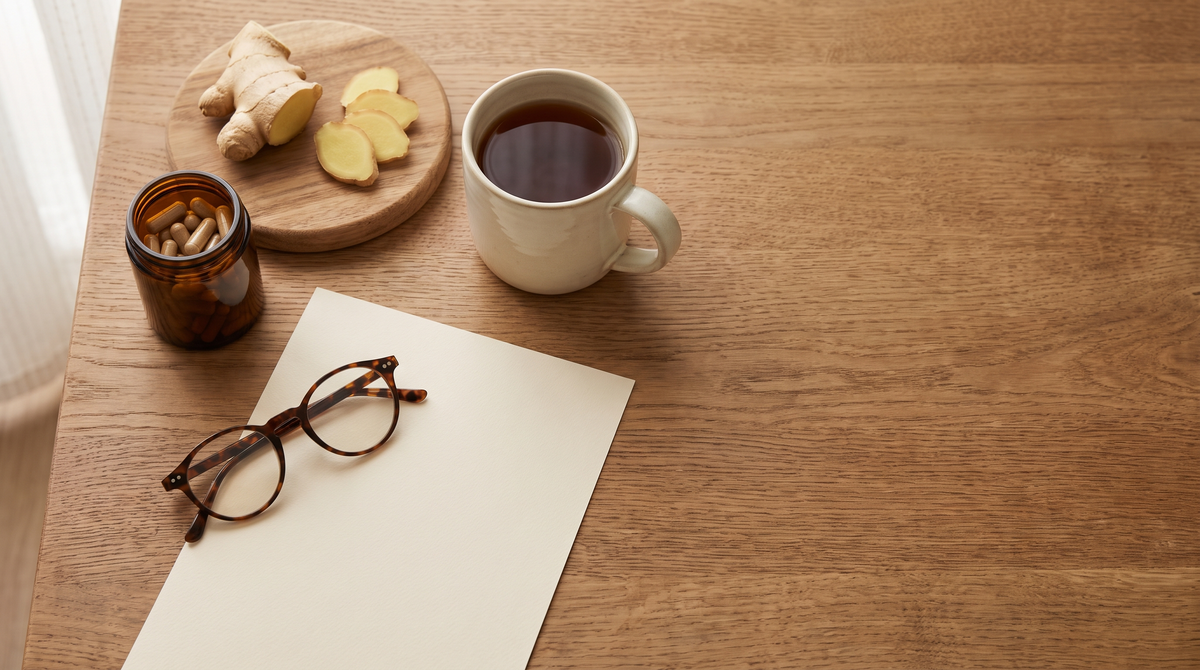
Two herbs come up often in the research on digestion and gut motility. Triphala, a traditional Ayurvedic blend of three dried fruits (haritaki, bibhitaki, and amla), has mild laxative and gut supportive properties studied over periods from about one week up to roughly six weeks in clinical work, not months or years (Chinese Medicine, 2018). Ginger, taken as tea or in capsule form, is a long standing traditional remedy for a slow or queasy stomach and carries no documented liver risk (NIH LiverTox rates it unlikely to cause liver injury), though anyone on blood thinning medication should check the dose with a doctor first.
Some people build a simple evening habit around both: Triphala after the last meal of the day, a plain probiotic, and a small cup of ginger tea. None of it fixes a genuinely oversized, oil heavy plate on its own. It is support for a stomach that is already working hard, not a substitute for eating a little slower in the first place.
For a wider comparison across other Sri Lankan gut herbs, Ancient Nutra's guide to five Sri Lankan gut herbs, ranked by use case breaks down which one fits which symptom.
Look for
Standardized Triphala capsules taken once daily after the evening meal, for a stretch of a few weeks at a time rather than indefinitely. Ancient Nutra's Triphala uses the traditional three fruit ratio at a measured dose.
When it is not just a heavy lunch
Occasional bloating after a big meal is normal digestion doing its job slowly. It is a different situation if bloating shows up regardless of what or how much was eaten, comes with real pain rather than pressure, includes blood in the stool, or pairs with unexplained weight loss. Bloating that lasts for days rather than hours, or that has been getting worse over several weeks, is also worth a proper look rather than a home routine. None of that is typical after an ordinary meal. It is the kind of pattern a doctor should hear about directly, not something to work out from a blog post.
The bottom line
Bloating after rice and curry is usually the stomach working slowly through a big, rich plate, not a sign that the meal itself was wrong. Three things move the needle most: eating a little slower, walking after the meal instead of sitting straight down, and giving the stomach less to manage at once. Triphala and ginger both have real, if modest, research behind them for gut motility, measured in weeks, not indefinitely. Ancient Nutra's Triphala is built around the traditional three fruit ratio for exactly this kind of daily support.

Sources and further reading
- Functional Dyspepsia: A Review of the Symptoms, Evaluation, and Treatment Options, NCBI Bookshelf / NIH.
- Global prevalence of functional dyspepsia according to Rome criteria, 1990 to 2020: a systematic review and meta analysis, NCBI / NIH.
- Triphala: current applications and new perspectives on the treatment of functional gastrointestinal disorders, Chinese Medicine, 2018.
- Ginger, LiverTox, NIH NCBI Bookshelf.
Written by the Ancient Nutra Wellness Team. The team researches, sources, and tests every ingredient before it earns a place in an Ancient Nutra blend. Questions? Email info@ancientnutra.com or message Ancient Nutra on Instagram.
Medical disclaimer: This article is for educational purposes only and is not medical advice. Statements have not been evaluated by the FDA. Ancient Nutra products are not intended to diagnose, treat, cure, or prevent any disease. Speak with a qualified healthcare provider before starting any new supplement, especially if you take prescription medication or have a medical condition.