Written by the Ancient Nutra Wellness Team. Published 22 May 2026. About a 6 minute read.
- Milk thistle's active compound, silymarin, is an antioxidant that supports the liver. It is not a treatment for liver disease.
- Clinical doses run 250 to 750 mg of silymarin per day, taken with food. Look for an extract standardized to 70 to 80% silymarin.
- Give it 8 to 12 weeks of consistent use, alongside good diet, hydration, and less alcohol, which do the real work.
Milk thistle is one of the best selling liver supplements in the world, and here is the honest part: the lab work is more exciting than the human trials. That is not a reason to skip it. It is a reason to take it for what it is, a well tolerated, antioxidant rich seed extract with a very long track record, rather than a cure for a damaged liver.
If you have seen Milk Thistle Extract on a shelf and wondered whether it earns its place, this is the plain version of what it does, who it suits, and how to take it without wasting your money.
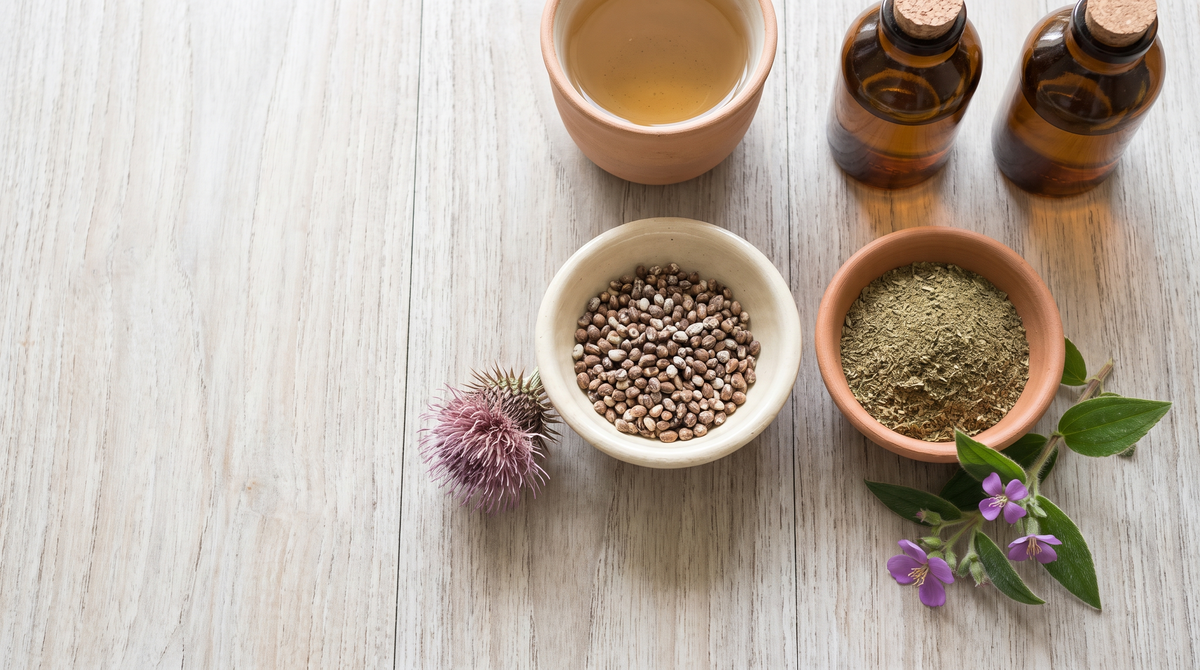
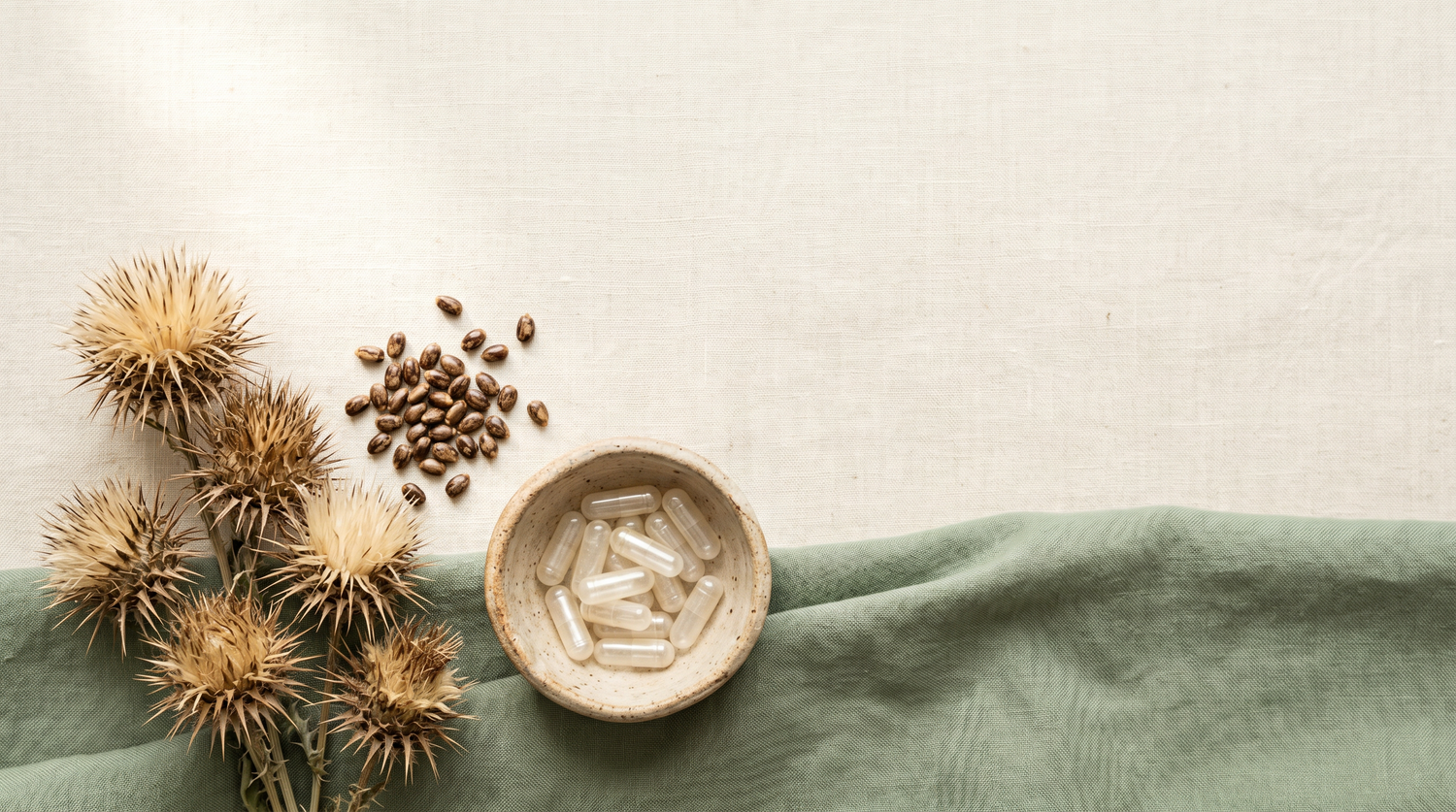
Milk thistle is a spiky purple flowering plant, Silybum marianum, that grows wild across the Mediterranean. The part that matters is the seed. From the seed comes silymarin, a cluster of plant compounds (silybin is the main one) that acts as an antioxidant in the body. Most of milk thistle's reputation, good and overstated, comes down to silymarin.
What milk thistle actually does
The simplest way to think about silymarin is as a cleanup crew for the liver. The liver is your filter. Every drink, every painkiller, every heavy meal passes through it, and that work creates oxidative stress, a kind of internal rust. Silymarin is an antioxidant, which means it helps mop up some of that damage before it builds up (Mayo Clinic).
In the lab, silymarin looks impressive. It calms inflammation, steadies liver cell membranes, and supports the liver's own antioxidant systems. The catch is that those results have not translated cleanly into human trials for serious liver disease. The current position from the National Center for Complementary and Integrative Health is that the evidence is mixed and not strong enough to call milk thistle a treatment for conditions like hepatitis C or cirrhosis.
So why take it. Because most people are not treating a disease. They are looking for daily antioxidant support for an organ that does a lot of quiet work, and on that front milk thistle is gentle, well studied, and easy to tolerate. For a broader, structured approach, Ancient Nutra's Liver & Detox System pairs that idea with traditional Sri Lankan liver herbs.
Who should consider milk thistle
Milk thistle is not for everyone, and saying so is the honest move. It tends to make the most sense for:
- People who drink socially and want a buffer. Not a permission slip, a buffer. The foundation is still fewer drinks and more water.
- Anyone easing back after a heavy festive stretch. Post celebration resets are the most popular reason people reach for it.
- People on a generally healthy diet who want antioxidant support. It slots in next to leafy greens and turmeric, not in place of them.
- Those curious about traditional liver herbs who want one with a deep written history and a clean safety record.
Who does not need it: anyone hoping a capsule will undo a poor diet, heavy drinking, or untreated liver disease. Milk thistle does not replace medical care, and it does not erase the basics. Sleep, food, movement, and less alcohol do the heavy lifting. The supplement supports a foundation that is already in place.
How to actually take milk thistle
Dosing is where most people get it wrong, usually by taking too little. Clinical studies have used silymarin in the range of 250 to 750 mg per day, often split into two or three doses, and it has stayed well tolerated even at higher amounts over months of use (StatPearls, NIH).
Take it with food. Silymarin is fat friendly, so a meal with a little healthy fat helps your body absorb more of it. Timing across the day does not matter much, so pick whatever you will actually remember, morning with breakfast is the easiest habit to keep. Give it a real run before you judge it, which means weeks, not days.
Look for

An extract standardized to 70 to 80% silymarin, delivering 250 to 600 mg per day. The standardization number matters more than the milligrams of raw seed.
Ancient Nutra's Milk Thistle Extract uses a standardized seed extract, so each capsule carries a consistent dose of silymarin rather than ground seed of unknown strength.
Where milk thistle comes from
Milk thistle has one of the longest paper trails of any herb. The Greek thinker Theophrastus mentioned it more than 2,000 years ago, and around 65 CE the Roman physician Dioscorides wrote it up under the name silybon. By the seventeenth century the English herbalist Nicholas Culpeper was recommending it specifically for the liver, which is striking, because that is still its main use today.
The plant grew its way through European folk medicine for centuries before chemists isolated silymarin in the 1960s. Tradition opened the door here. Modern science is still the careful guest deciding how much of the old reputation holds up, and it is honest enough to say the answer is partly.
What to stack with milk thistle
Milk thistle works best as one piece of a liver friendly routine, not a lone hero. Two natural partners stand out.
The first is a gentle daily detox approach built around traditional Sri Lankan liver herbs. Ancient Nutra's Heenbovitiya is a local plant long used on the island for liver and blood sugar support, and it covers ground milk thistle does not. The second is simply better hydration and more bitter greens, the unglamorous habits that move the needle.
This kind of stack suits someone doing a deliberate reset, after a festive season or a stretch of late nights, rather than someone with a specific medical condition. If that is you, talk to a doctor first.
How long milk thistle takes to work
Milk thistle is not a stimulant, so do not expect to feel a buzz. The honest expectation is quiet. Most people notice nothing dramatic in week one, and that is normal.
Antioxidant support is a slow, behind the scenes process. Give it at least 8 to 12 weeks of consistent daily use, alongside the real foundations, before you decide whether it belongs in your routine. Anything claiming an overnight liver transformation is selling, not informing.
There is a reason milk thistle survived two thousand years of medicine without a marketing budget. It is safe, it is gentle, and it has just enough science behind it to keep earning a second look. That is a rare combination in the supplement aisle.
The bottom line on milk thistle
Milk thistle is a sensible, well tolerated antioxidant for people who want to support a hard working organ, not a rescue remedy for one that is already in trouble. Used at a proper dose, with food, for long enough, it is a quiet addition to a liver friendly routine.
For a standardized seed extract with a consistent silymarin dose, that is what Ancient Nutra's Milk Thistle Extract was built for. Or build the routine yourself with food, water, and patience. The liver does not care which bottle the silymarin comes from, as long as the basics are handled first.
Frequently asked questions
What does milk thistle actually do?
Milk thistle's active compound, silymarin, is an antioxidant that helps mop up oxidative stress in the liver. Lab studies look promising, but human trials have not shown it to be a treatment for serious liver disease. It is best understood as gentle daily antioxidant support, not a cure.
Who should consider taking milk thistle?
It suits people who drink socially and want a buffer, those easing back after a heavy festive stretch, people on a healthy diet who want extra antioxidant support, and anyone curious about traditional liver herbs. It will not undo a poor diet, heavy drinking, or untreated liver disease.
How do you take milk thistle and at what dose?
Clinical studies use silymarin at 250 to 750 mg per day, often split into two or three doses, taken with food because silymarin absorbs better with a little healthy fat. Look for an extract standardized to 70 to 80% silymarin.
How long does milk thistle take to work?
Milk thistle is not a stimulant, so do not expect an immediate effect. Antioxidant support is gradual. Give it at least 8 to 12 weeks of consistent daily use, alongside good diet, hydration, and less alcohol, before judging whether it belongs in your routine.
Ancient Nutra Milk Thistle Extract
A standardized silymarin seed extract for daily liver support, in one clean capsule.
Shop Milk Thistle ExtractSources
- National Center for Complementary and Integrative Health (NIH): Milk Thistle, Usefulness and Safety
- Mayo Clinic: Milk Thistle
- StatPearls (NIH/NCBI): Milk Thistle
Medical disclaimer: This article is for educational purposes only and is not medical advice. Statements have not been evaluated by the FDA. Ancient Nutra products are not intended to diagnose, treat, cure, or prevent any disease. Speak with a qualified healthcare provider before starting any new supplement, especially if you take prescription medication or have a medical condition.
Written by the Ancient Nutra Wellness Team. The team researches, sources, and tests every ingredient before it earns a place in an Ancient Nutra blend. Questions? Email info@ancientnutra.com or message Ancient Nutra on Instagram.