Most people start with a probiotic when their gut feels off. They take it for a month, do not feel much, and quietly stop. The problem is not the probiotic. It is that probiotics work better when the gut already has the right environment to host them. Beli, the Sri Lankan fruit, is one of the oldest answers to that problem. It feeds the bacteria that probiotics try to seed.
- Beli (Aegle marmelos, wood apple) is a traditional Sri Lankan fruit whose prebiotic fibers feed the gut bacteria that probiotics try to seed.
- Its tannins and flavonoids may help calm loose stools and ease low-grade gut inflammation, which is why it suits bloating, unpredictable stool, and post-antibiotic recovery.
- A typical dose is 500mg to 1,000mg of standardized fruit powder daily with food, given 8 to 12 weeks before judging the effect.
What Beli actually is
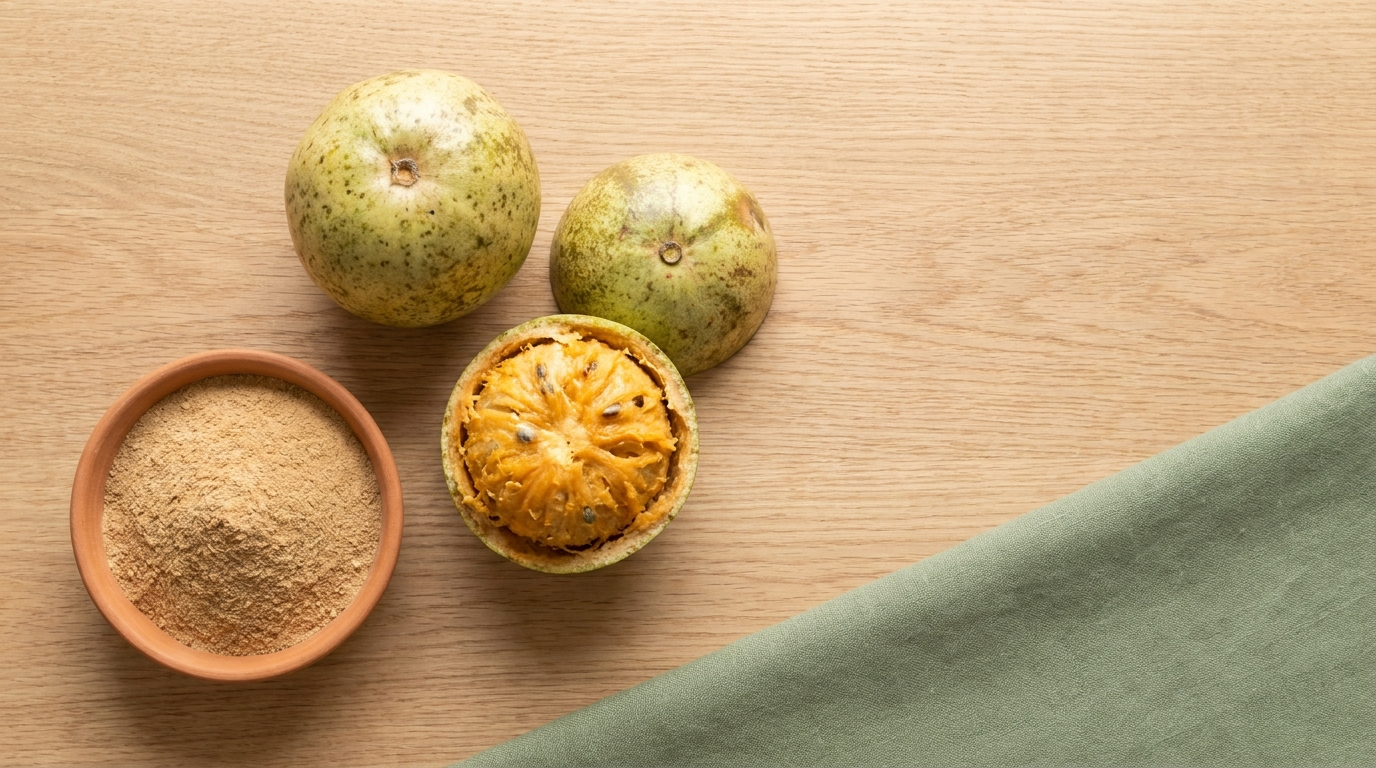
Beli (also called Bael, or wood apple) is the fruit of Aegle marmelos, a tree that grows across Sri Lanka and South Asia. The fruit is round and hard-shelled, green when unripe and a soft yellow-orange when ripe. Inside, the pulp is fibrous, aromatic, and rich in tannins. In Ayurveda, the unripe fruit is the more medicinal form, and the dried fruit pulp is what gets milled into the powder used in modern Beli capsules.
What Beli actually does for the gut
Beli fruit works on the gut in three quiet ways. First, it carries prebiotic fibers that feed the bacteria already living in your colon. A 2023 phytochemical review noted that the prebiotic fibers in Aegle marmelos fruit encourage the development of beneficial gut microbiota. Probiotics add new bacteria to the system. Beli feeds the ones you already have.
Second, it tightens the gut wall. The tannins and flavonoids in Beli fruit have a mild astringent effect that calms loose stools without slowing the gut to a stop. Ayurvedic physicians have used unripe Beli fruit for diarrhea and dysentery for centuries, and modern research has documented its anti-inflammatory effect in animal models of inflammatory bowel disease.
Third, it cools inflammation. Chronic low-grade inflammation in the gut wall is what turns occasional bloating into daily discomfort. Beli's flavonoids and alkaloids quietly bring that signal down, which is why it pairs so well with herbs like Ancient Nutra's Triphala for daily gentle support.
Put together: Beli fruit is not a one-trick fiber, and it is not just an anti-inflammatory. It is both, in a form gut bacteria recognise.
Who should consider Beli
Beli earns its place in a daily routine for a specific kind of reader:
- You feel bloated by lunch, even on a clean diet. The fibers in Beli fruit give your gut bacteria something to work on, which often calms the afternoon swell.
- Your stool is unpredictable. Beli's astringent effect helps loose stools without pushing the dial the other way.
- You took antibiotics in the last six months. Antibiotics flatten the microbiome. Beli helps the survivors regrow.
- You eat plenty of fiber but still feel inflamed. A flavonoid-rich fruit is often what the picture is missing.
- You live somewhere with monsoon stomach issues. Sri Lankans have used Beli fruit through wet seasons for a reason.
Who does not need it: anyone whose digestion is already steady on a real diet, who sleeps well, and who is not under long-term stress. Beli is a tool for a specific job. It is not a daily multivitamin.
How to actually take Beli
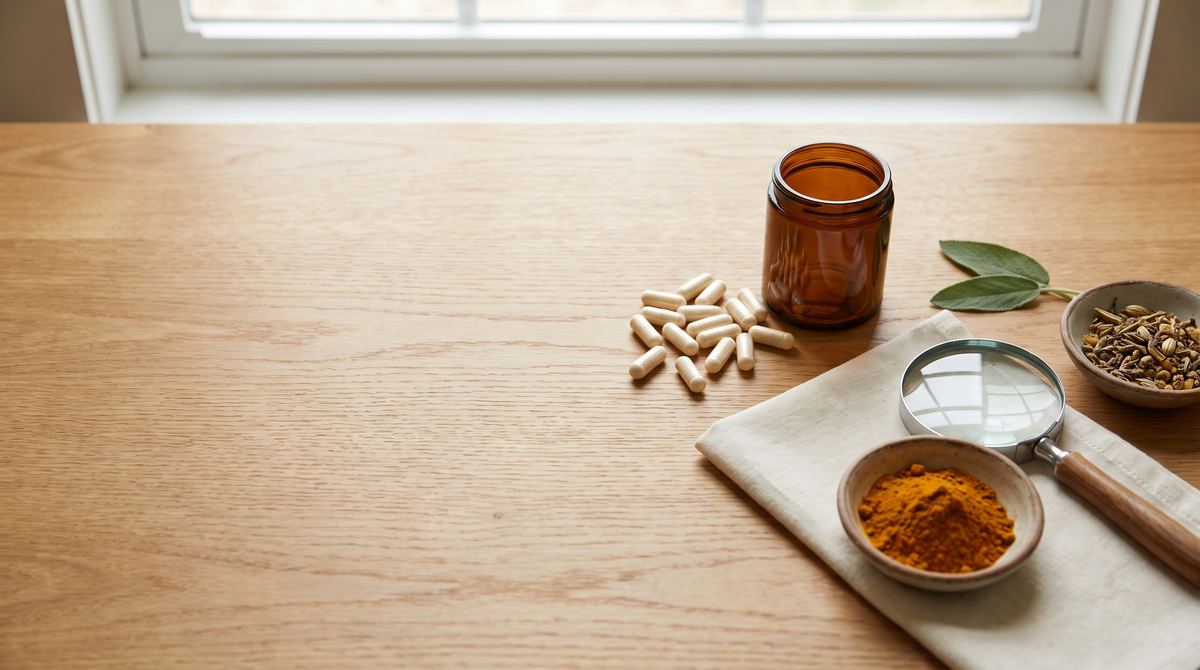
The dose that does something is 500 to 1,000mg of standardized Beli fruit powder per day, taken with a meal. Most people start once a day for the first week, then move to twice a day if they want to feel a stronger effect. Capsules are the cleanest daily delivery: the powdered fruit is dose-measured and bypasses the aromatic bitterness that makes the raw pulp hard to take on its own. Plan on staying with it for 8 to 12 weeks before reassessing.
What to expect in the first 4 weeks: less afternoon bloat, more predictable mornings, and a calmer feeling after meals. The bigger shifts (steady stool, less daily inflammation) tend to show up between weeks 6 and 12.
Look for
Standardized Beli fruit powder, 500 to 1,000mg per day, sourced from Sri Lankan-grown Aegle marmelos.
Ancient Nutra's Beli is exactly this: capsules milled from the dried fruit pulp, no fillers, no flower padding. If you also want a gentle evening tea form, Ancient Nutra's Beli Mal Powder is the separate dried-flower product for brewing.
Where Beli comes from
Beli is one of the most quietly respected plants in Sri Lankan and Ayurvedic medicine. In Sinhala the tree and its fruit are both called beli, and the dried flower (a separate part of the same plant) is known as beli mal. Ayurvedic texts list Beli as a tridoshic herb, meaning it works for most body constitutions, with a specific role in calming an irritated gut. In rural Sri Lankan households, the unripe fruit was the standard answer for an unsettled stomach long before the word "probiotic" existed, and the riper pulp was kept for daily digestive maintenance.
What to stack Beli with
Beli pairs well with two complementary herbs depending on the use case.
For daily steady digestion, stack Beli with Triphala. Triphala is the gentle nightly cleanse Ayurveda has run for centuries; Beli is the day-time anti-inflammatory and prebiotic. The combination keeps the gut moving while also feeding the bacteria that line it.
For occasional bloat or post-meal heaviness, stack Beli with Ancient Nutra's Activated Carbon. Carbon is a tool for the rough day, not the daily routine. It binds gas and irritants, while Beli stays in the background doing the longer microbiome work. This stack is for people who travel often or eat outside their normal diet on weekends, not for everyone.
How long Beli takes to work
Plan for 90 days before you judge it. The first changes (less bloat, calmer after meals) often show up by week 3 or 4. The deeper changes (steadier stool, less daily inflammation, a feeling that your gut is just a quieter place to live in) take longer. Supplements do not replace a real diet, regular sleep, and stress that is actually managed. What Beli fruit does is move the needle when the foundation is already in place.
The team at Ancient Nutra tested early batches of Beli fruit powder for almost a year before choosing the supplier we use today. The most common feedback we hear is not about dramatic shifts. It is about how quiet the gut becomes when you stop noticing it.
The bottom line
Probiotics try to seed the gut. Beli fruit feeds it. The right move for most people is not one or the other. It is to give the bacteria a real reason to stay, then let time do the rest. Ancient Nutra's Beli is built for that work, with a clean Sri Lankan fruit powder at a clinical dose. The science does not care which bottle they come in. The point is to take it long enough to actually find out.

Beli - 60 capsules
Clean Sri Lankan wood apple fruit powder, traditionally used to support a calmer gut and feed beneficial gut bacteria.
Shop BeliSources
- Phytochemical and biological review of Aegle marmelos Linn. (PMC, 2023). Documents the prebiotic fibers, flavonoids, and tannins in Beli fruit responsible for gut microbiota support and anti-inflammatory action.
- Effect of aqueous extract of Aegle marmelos unripe fruit on inflammatory bowel disease (PMC). Animal model showing dose-dependent reduction in intestinal inflammation.
Written by the Ancient Nutra Wellness Team. The team researches, sources, and tests every ingredient before it earns a place in an Ancient Nutra blend. Questions? Email info@ancientnutra.com or message Ancient Nutra on Instagram.
Medical disclaimer: This article is for educational purposes only and is not medical advice. Statements have not been evaluated by the FDA. Ancient Nutra products are not intended to diagnose, treat, cure, or prevent any disease. Speak with a qualified healthcare provider before starting any new supplement, especially if you take prescription medication or have a medical condition.