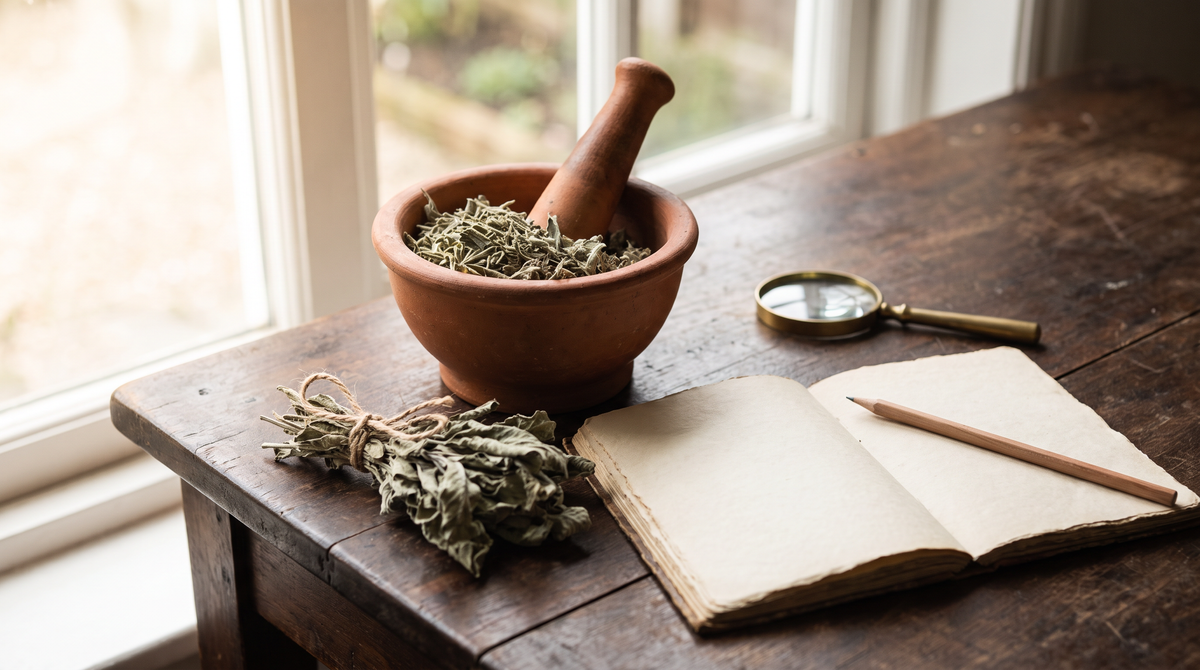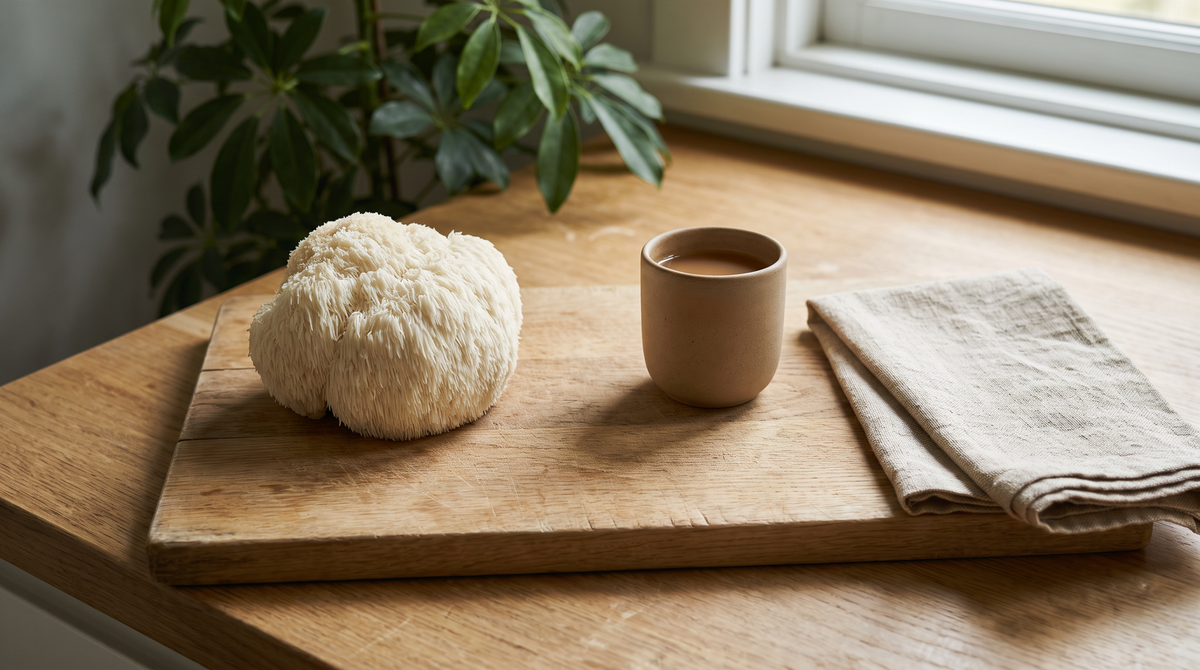
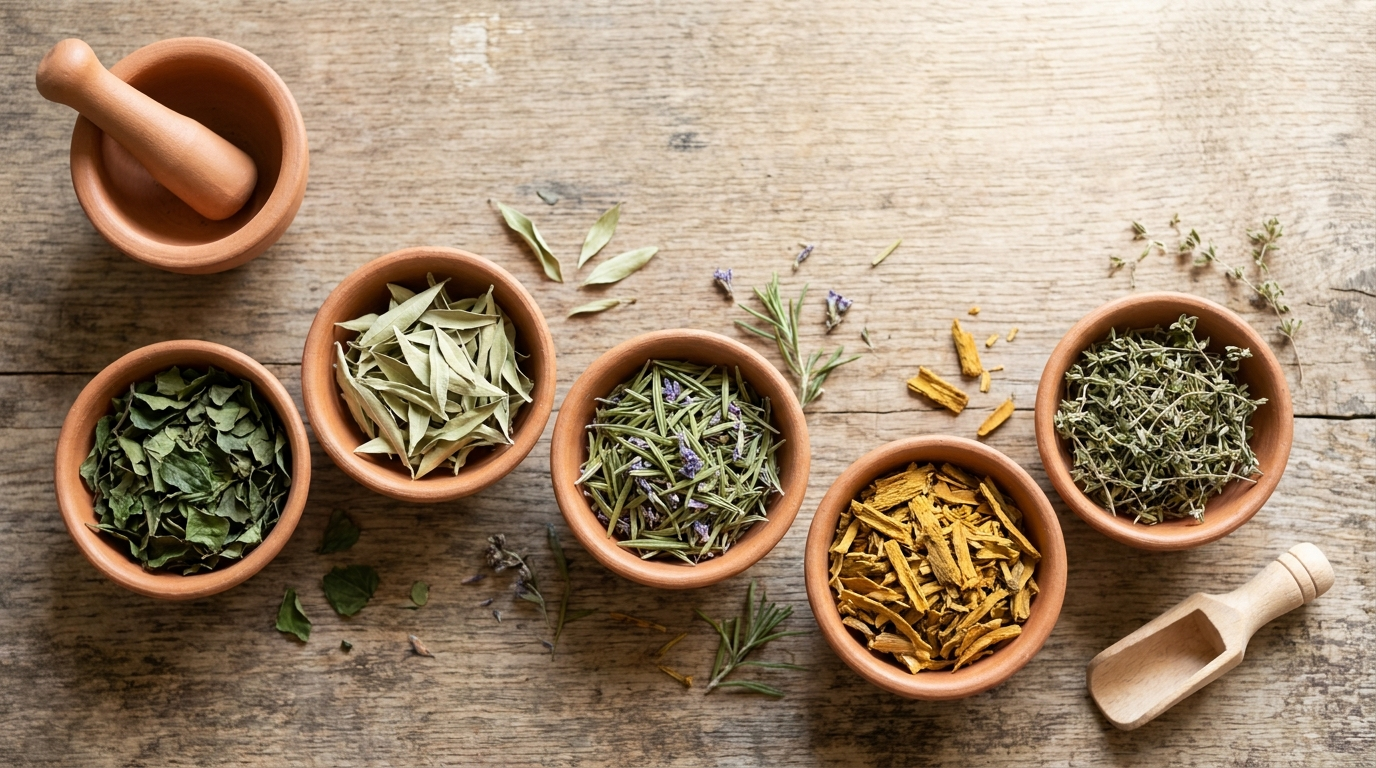
Walk into a Sri Lankan grandmother's kitchen and the medicine cabinet is a basket of leaves. Most of those herbs never made it onto a global supplement shelf. They stayed local, named in Sinhala, brewed in clay pots, passed down without a marketing budget. The pharmacy lost interest. The plants kept working.
This list is five of them. Not the famous ones. Not Ashwagandha or Triphala. These are the names that show up in village apothecaries and old palm-leaf manuscripts, and that are only now getting the lab work that confirms what families already knew. The criteria for inclusion: native or culturally rooted in Sri Lanka, in current daily use, and with at least one peer-reviewed paper backing the traditional claim.
- Five lesser-known Sri Lankan herbs each have traditional use plus at least one peer-reviewed paper: Maila Kola, Yaki Narang, Katupila, Venivel, and Heenbovitiya.
- Most lean toward liver and inflammation support, so they may help people with heavy weeks, sluggish mornings, or occasional skin and joint flares.
- Start with just one that matches your needs, run it for about 30 days, and swap if you feel nothing rather than taking all five at once.
The short version
1. Maila Kola, the pepper-family leaf for joints and inflammation. 2. Yaki Narang, the citrus-cousin leaf for liver support. 3. Katupila, the Ayurvedic shrub for liver and spleen. 4. Venivel, the bitter yellow root that locals call natural paracetamol. 5. Heenbovitiya, the small herb that grows between paving stones and supports the liver.
1. Maila Kola, the pepper-family leaf for inflammation
Maila Kola is the Sri Lankan name for Piper sarmentosum, a quiet cousin of black pepper that creeps along garden walls and forest floors. The leaf has been chewed across South and Southeast Asia for centuries for joint pain, cold, and what village healers called "wind in the body." Modern lab work pulled apart the leaf and found a stack of phenolic compounds, alkaloids, and flavonoids that explain the heat-cooling, pain-easing reputation (Piper sarmentosum bioactive review, 2023).
Who it helps most: people with low-grade daily inflammation, sluggish mornings, or stiff joints that show up after sitting too long. It is not a painkiller. It is a daily quiet tilt toward less inflammation.
Typical dose: 1 to 2 capsules of standardized leaf, daily, with food.
Look for
Pure Maila Kola leaf powder in a capsule, sourced from Sri Lankan small farms.
Ancient Nutra's Maila Kola Capsules use whole-leaf powder, no fillers.
2. Yaki Narang, the citrus-cousin leaf for the liver
Yaki Narang is Atalantia ceylanica, a thorny relative of citrus that grows wild in the lowlands. The leaves smell faintly of orange peel when crushed. Sri Lankan traditional medicine has used a decoction of those leaves for liver ailments for hundreds of years. A 2014 BMC paper put the extract to the test in liver-cell models and found real hepatoprotective activity, attributed to the leaf's phenolic and flavonoid load (Atalantia ceylanica hepatoprotective study, BMC, 2014).
Who it helps most: anyone whose week leaves the liver doing overtime. A few rich meals. A few late nights. A Sunday that felt heavier than expected. Yaki Narang is the daily background herb that gives the liver a hand.
Typical dose: 1 capsule, twice a day, with meals. Or steep the powder as a daily tea.
Look for
Yaki Narang leaf capsules or 100% leaf powder, sourced from clean lowland Sri Lankan farms.
Ancient Nutra's Yaki Narang Leaves Capsules use single-ingredient leaf powder.
3. Katupila, the Ayurvedic shrub for liver and spleen
Katupila is the local name for Tephrosia purpurea, called Sharapunkha in classical Ayurvedic texts. It grows as a low shrub with purple flowers along Sri Lankan roadsides, and it has been used for liver and spleen support in the South Asian tradition for at least a thousand years. The active compounds (tephrosin, deguelin, and a family of flavonoids) show up consistently in hepatoprotective and antioxidant work.
Who it helps most: people who run hard, drink occasionally, and want a liver-side daily herb that does not feel like a detox protocol. Pair it with sleep and water, not with juice cleanses.
Typical dose: 1 to 2 capsules, daily, with food.
Look for
Pure Katupila powder in a capsule, single ingredient, no proprietary blends.
Ancient Nutra's Katupila Capsules use whole-plant powder sourced from Sri Lankan smallholders.
4. Venivel, the bitter yellow root locals call "natural paracetamol"
Venivel is Coscinium fenestratum, a climbing vine with deep yellow wood and a sharply bitter taste. Sri Lankan traditional medicine reaches for it for fever, inflammation, ulcers, and skin issues. The active compound is berberine, the same alkaloid that gives goldenseal and barberry their reputation. A 2019 review of methanolic extract found strong antioxidant activity that backs the traditional claims (Coscinium fenestratum antioxidant review, 2019).
Who it helps most: people with on-and-off skin breakouts, slow recovery from minor inflammation, or a sluggish post-meal feeling. Venivel is bitter for a reason: bitter herbs tell the gut and liver to wake up.
Typical dose: follow the label. Berberine content matters more than capsule count, so a standardized Sri Lankan-grown root is the spec to look for.
Look for
Sri Lankan-grown Venivel root, not powder from an unverified source. Berberine yield is real only when the root is mature.
Ancient Nutra's Venivel Capsules use Sri Lankan smallholder-sourced root.
5. Heenbovitiya, the small herb that grows between the paving stones
Heenbovitiya is Phyllanthus debilis, a low ground-cover herb that grows in any disturbed soil and has been a Sri Lankan home remedy for liver complaints and blood sugar for generations. Grandmothers brewed the whole plant as a daily tea. Modern work places the herb in the same Phyllanthus family as the better-known stonebreaker (P. niruri) and confirms similar liver-protective leanings.
Who it helps most: people whose liver is asked to do more than it should (richer food, more stress, more late nights), and people who want a daily, gentle, traditional herb that has been used safely for centuries.
Typical dose: 1 capsule, twice a day, or follow the label for powder.
Look for
Whole-plant Heenbovitiya powder, no extraneous fillers.
Ancient Nutra's Heenbovitiya Capsules use Sri Lankan whole-plant powder.
A note on where this list came from
When the team at Ancient Nutra started sourcing the heritage line, the first conversations were not with importers. They were with families. A retired Ayurvedic doctor in Anuradhapura mentioned Yaki Narang on a Tuesday afternoon and named four villages where the leaf still grew clean. A grandmother in Galle had a tin of Heenbovitiya behind her stove. The list above is not a herbology textbook. It is what the people who actually use these plants reached for first.
How to actually use this list
Do not start all five at once. That is the fastest way to confuse your body, your wallet, and your stack. Pick the one that lines up with what you already know about yourself.
If your week is heavy and the liver is the angle: start with Yaki Narang or Heenbovitiya. If joints, mornings, or general inflammation are the angle: start with Maila Kola. If you want the "natural paracetamol" backup for daily skin and inflammation: Venivel. If you want a steady Ayurvedic liver-and-spleen herb with old textbook backing: Katupila.
Run one for 30 days. If you feel something, keep going. If you do not, swap. Supplements are a buffet, not a shopping list.
The bottom line
Five Sri Lankan herbs that most modern wellness shelves have never heard of: Maila Kola for inflammation, Yaki Narang for the liver, Katupila for liver and spleen, Venivel for fevers and skin, Heenbovitiya for daily liver support. Pick one. Take it for a season. Trust the plant, not the marketing.
For a curated, three-herb liver protocol that includes Heenbovitiya alongside two other classic Ayurvedic anchors, Ancient Nutra's Liver and Detox System is the simplest entry point.

Liver & Detox System
A curated three-herb protocol with Heenbovitiya and two classic Ayurvedic anchors, traditionally used to support the liver through heavy weeks.
Shop Liver & Detox SystemSources
- Characterization and Bioactive Potential of Secondary Metabolites Isolated from Piper sarmentosum Roxb. (PMC, 2023)
- Total phenolic, flavonoid contents, in-vitro antioxidant activities and hepatoprotective effect of aqueous leaf extract of Atalantia ceylanica (BMC, 2014)
- The potential of antioxidant activity of methanolic extract of Coscinium fenestratum (PMC, 2019)
- Evaluation of hepatoprotective activity of aerial parts of Tephrosia purpurea L. (PubMed, 2008)
- Antihyperglycemic and hypoglycemic activities of Phyllanthus debilis aqueous plant extract in mice (Pharmaceutical Biology, 2009)
Byline
Written by the Ancient Nutra Wellness Team. The team researches, sources, and tests every ingredient before it earns a place in an Ancient Nutra blend. Questions? Email info@ancientnutra.com or message Ancient Nutra on Instagram.
Medical disclaimer
This article is for educational purposes only and is not medical advice. Statements have not been evaluated by the FDA. Ancient Nutra products are not intended to diagnose, treat, cure, or prevent any disease. Speak with a qualified healthcare provider before starting any new supplement, especially if you take prescription medication or have a medical condition.